What are assistive technology and monitoring devices for home care?
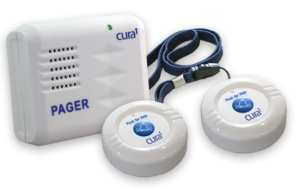
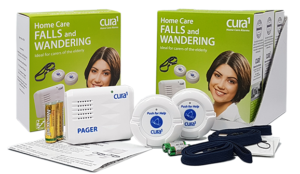
These products create a basic elderly monitoring system in the home so a carer can be alerted if someone calls for help, leaves the bedroom, or is at risk of falling. The range includes simple Caregiver Call Button Kits, dedicated Cura1 Home Care Pager Kit – 4024, and mobile alarms like the Personal Medical Alarm 4G with GPS positioning. Together they support home care, hospital-in-the-home, NDIS plans and informal family care.
How do elderly monitoring devices work in the home?
- The person wears or uses a device such as a pendant, wrist button, watch or sensor beam.
- When they press the button, break the beam or trigger a sensor, a wireless signal is sent to a pager, monitor or mobile alarm unit.
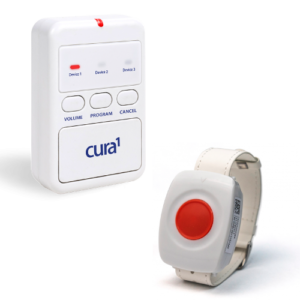
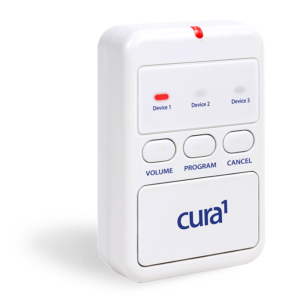
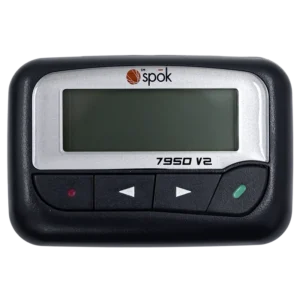
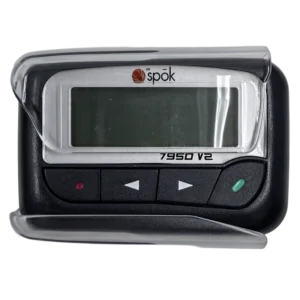
- The Caregiver Pager Receiver or Cura1 LED Pager – In-Home Care – 3508 alerts the carer by sound, vibration or light.
- For 4G personal alarms, the device can call or text nominated contacts and send GPS location when activated.
- Systems can usually be expanded with extra pendants or sensors to cover multiple rooms or multiple people.
Who are these elderly monitoring systems for?
- Older people living at home who want a simple way to call for help.
- Carers who need a pager or alarm to monitor one or more rooms in the house.
- Families supporting parents or grandparents with falls, frailty or mobility issues.
- People living with dementia or wandering risk who need discreet door or movement alerts.
- Home care providers, community nurses and hospital-in-the-home services.
What types of elderly monitoring devices are available in this category?
Personal mobile alarms and watches
4G personal alarms such as the Personal Medical Alarm 4G with GPS positioning and the Falls Detector Watch for Seniors & Medical provide help buttons, fall detection and GPS location for seniors who are active at home and in the community.
Pager-based home monitoring kits
Pager kits such as the Cura1 Home Care Pager Kit – 4024, Caregiver Call Button Kits, Pendant To Pager Kit – Long Range and Call Point to Pager Kit – Long Range send alerts from buttons, pendants or call points straight to a handheld pager carried by the carer.
Sensor beams and door monitoring
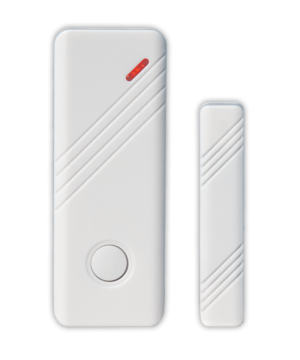
Movement and exit can be monitored using the Cura1 iBeam – Wireless Curtain Sensor – 2721 or the Cura1 Wireless iBeam – PIR Sensor Beam Kit – In-Home Use, which project an invisible PIR beam to detect when someone gets out of bed or crosses a doorway.
Pendants, wristbands and accessories
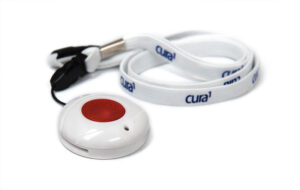
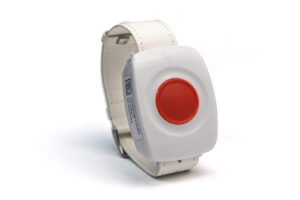
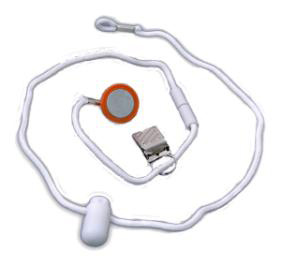
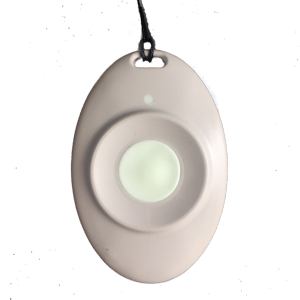
Wearable accessories, including the Caregiver Wrist Pendant, Caregiver Neck Pendant and Cura1 Wristband Alarm – 2595, let the user carry a help button on the neck or wrist, while compatible transmitters like the Cura1 Personal Emergency Transmitter – Wireless Pendant – 2588 pair with pagers and monitors.
Monitors for bed, chair and floor mats
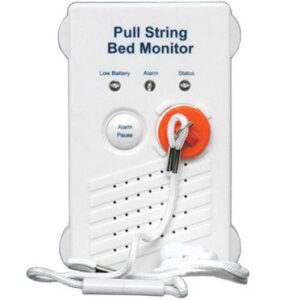
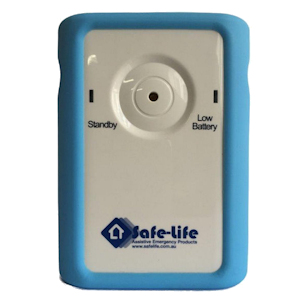
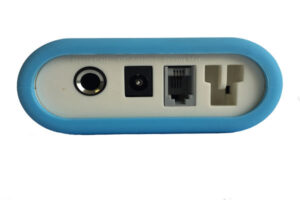
Monitors such as the Hardwired Safe-Life Monitor – For Chair, Bed & Floor Mats and the Safe-Life Pull String Monitor – Plus connect to chair pads, bed pads and floor mats to raise an alarm when someone stands up or moves unexpectedly.
Key features and benefits of elderly monitoring devices
| Product type |
Best for |
| 4G personal alarms & watches |
Seniors who leave the house and need GPS and mobile coverage for emergencies. |
| Pager-based call button kits |
Carers in the same home who want reliable, long-range alerts without WiFi. |
| PIR sensor beams and door sensors |
Monitoring bed exits, hallway movement and wandering risk at night. |
| Bed, chair and floor mat monitors |
People at high falls risk who need an alert as soon as they stand up or move. |
| Wearable pendants and wristbands |
Users who want a simple, always-on help button that can be pressed at any time. |
Why choose Safe-Life for elderly home monitoring devices?
- Australian business with products selected for local home care, hospital-in-the-home and aged care settings.
- Wide choice of elderly monitoring devices, from simple buzzers and pagers to 4G GPS personal alarms.
- Compatible Cura1 and Safe-Life systems so pendants, pagers, mats and beams can work together.
- Options suitable for NDIS and aged care funding where approved by the relevant planner or provider.
- Support from a team familiar with home care, falls prevention and monitoring systems for the elderly.
Frequently asked questions about elderly monitoring devices for home care
What is an elderly home monitoring system?
An elderly home monitoring system is a combination of devices such as pendants, pagers, beams and sensors that send an alert when the person needs help or moves in a way that may indicate risk. In this category you can build a system using products like home care pager kits, PIR sensor beams and wearable pendants.
Do these elderly monitoring devices need WiFi or a landline?
Most pager-based systems in this category use wireless radio, not WiFi, and do not need a landline. 4G personal alarms such as the Personal Medical Alarm 4G with GPS positioning and the Falls Detector Watch for Seniors & Medical use the mobile network instead of a landline.
How far do the pendants and pagers reach in a typical home?
Range depends on the specific product and the construction of the home, but most pendant-to-pager systems are designed to cover an average Australian house. Long-range systems such as the Pendant To Pager Kit – Long Range and Call Point to Pager Kit – Long Range provide extended coverage for larger homes and small facilities.
Can these monitoring devices be used with NDIS participants?
Many of these elderly monitoring devices are used in NDIS plans where assistive technology or personal safety equipment is funded. The most suitable product depends on the participant’s goals, environment and support team, so providers often choose from both pager-based kits and 4G personal alarms.
What is the difference between a 4G personal alarm and a pager kit?
A 4G personal alarm calls or messages nominated contacts and can share GPS location when activated, which suits people who leave the house regularly. A pager kit keeps the alert inside the home, sending the call for help to a carer’s pager without needing mobile coverage.
Can I expand the system later with extra pendants or sensors?
Most systems in this category can be expanded with extra pendants, beams or sensors, as long as they are compatible with the same pager or monitor. Common examples include adding extra Cura1 pendants, additional caregiver pendants or another PIR iBeam to cover a second doorway.
Who installs these elderly monitoring devices?
Home care monitoring devices are usually installed by the family, carer or support worker following the product instructions. More complex systems used with nurse call equipment or larger homes may be installed by an electrician or specialist contractor.