What are bed alarms and bed sensors?
Bed alarms and bed sensors are devices that detect movement, pressure changes or moisture in and around the bed, then send an alert to staff or carers. In aged care and hospital environments they form part of a wider falls prevention and incontinence management strategy, giving early warning when a person is about to get out of bed or has had a bed wetting event.
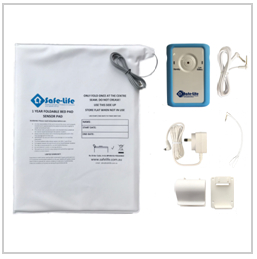
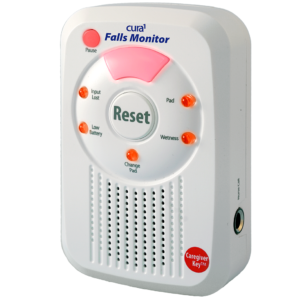
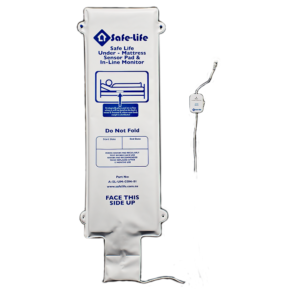
Safe-Life bed alarms cover wireless bed pads, bed pressure sensors, sensor beam alarms and bed wetting alarm pads, so facilities and families can choose the level of monitoring that suits their environment.
How do bed alarms and bed sensors work?
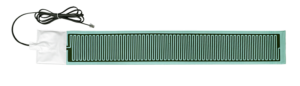
- Sensing movement or moisture: A bed sensor pad, under-mattress sensor, sensor beam aged care PIR unit or moisture pad is placed on or beside the bed.
- Detecting a change: When the person moves, exits the bed, or moisture is detected, the bed alarm sensor registers the change.
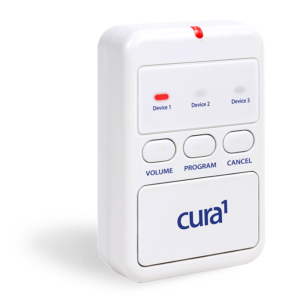
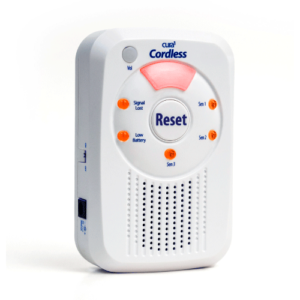
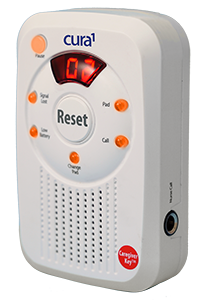
- Sending an alert: The system triggers an alarm through a local monitor, pager, nurse call point or other bed alarm system.
- Caregiver response: Staff or carers attend to the person before a fall, wandering event or prolonged exposure to urine occurs.
- Reset and reuse: Once checked, the alarm is reset and the bed sensor continues monitoring.
Who are bed alarms and bed sensors for?
- Older adults at risk of falls when getting out of bed at night
- People living with dementia who may wander or forget to call for help
- Patients recovering after surgery or illness who need supervised transfers
- Residents with mobility limitations who cannot always reach a call bell
- Adults needing discreet incontinence alarms or bed wetting alarm mats
- NDIS and home care clients who need a simple bed alarm for elderly at home
What types of bed alarms are available?
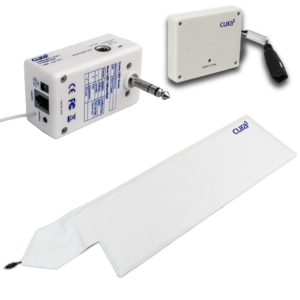
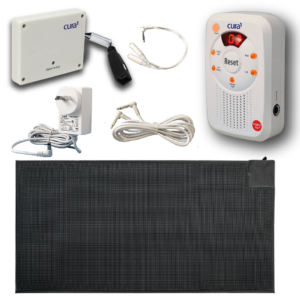
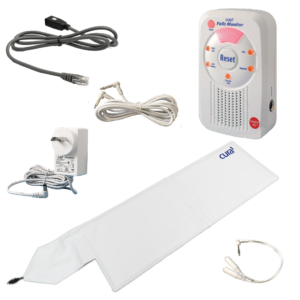
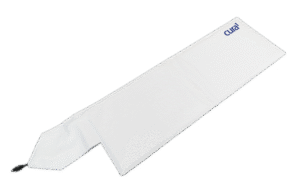
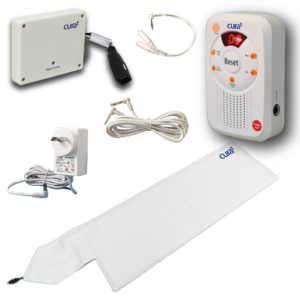
- Wireless bed pad alarms: Pressure pads under the sheet that send a wireless alert when someone leaves the bed; ideal for home care and small facilities.
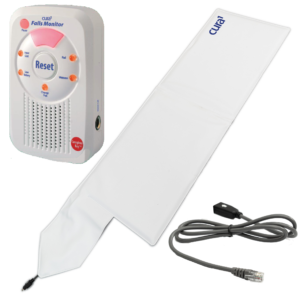
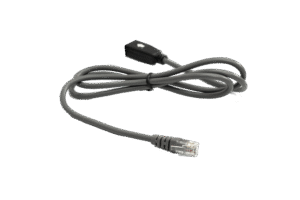
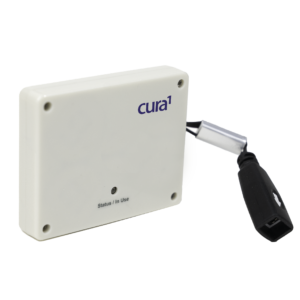
- Hardwired bed alarms: Bed pressure sensors connected by cable to nurse call or a monitor; suited to hospitals and established aged care sites.
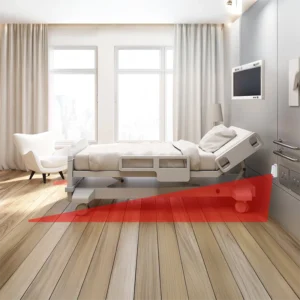
- Sensor beam bed alarms: PIR beam sensor alarms that project an invisible curtain next to the bed and trigger as soon as a leg is lowered.
- Under-mattress bed motion sensors: Discreet mattress sensors that detect subtle movement and can act as a bed movement sensor or out-of-bed alarm.
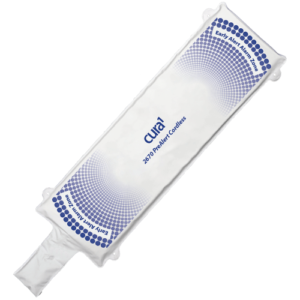
- Bedwetting alarms: Moisture-sensitive pads and bed wetting alarm mats for adults that send an alert when urine is detected.
What are the key features of bed alarms and bed sensors?
| Feature |
Description |
| Detection method |
Pressure pads, PIR sensor beams, mattress sensors or moisture pads for bed wetting alarms. |
| Alert options |
Local monitor tones, silent pager alerts, or nurse call activation for staff response. |
| Installation |
Plug-in bed alarm systems, hardwired to nurse call, or wireless kits with minimal setup. |
| Environment |
Designed for hospitals, residential aged care, disability support, and in-home care. |
| Fall and incontinence support |
Helps with bed alarms for fall prevention and incontinence alarm monitoring overnight. |
Why choose Safe-Life for bed alarms in Australia?
- Focused on falls prevention and bed sensors for elderly in Australian aged care and hospital settings.
- Product range that works in both facilities and at home, including bed exit alarms and bed wetting alarm pads.
- Many systems integrate with existing nurse call and paging equipment used in Australian facilities.
- Options for wireless, hardwired and sensor beam alarms so you can match the device to the risk.
- Support from a local team who understand clinical workflows, NDIS participants and home carers.
Frequently asked questions about bed alarms and bed sensors
Is there an alarm for when someone gets out of bed?
Yes. These devices are called bed exit alarms or bed alarms. They use pressure pads, mattress sensors or PIR sensor beams to detect when a person is getting out of bed and send an alert to a caregiver or monitoring system.
They are commonly used in aged care, dementia care and home environments where there is a high risk of falls or wandering. For complex cases such as sleepwalking, education and routines also matter, as described in our article on how to wake a sleepwalker.
Are bed alarms effective?
Bed alarms can be effective when they are part of a broader falls prevention plan. They give early warning so staff or family can assist before a fall happens.
However, research in hospital settings shows bed alarms alone do not always reduce falls. They work best when combined with supervision, safe bed heights, mobility aids and clear care plans.
Why would a patient or resident have a bed alarm?
Bed alarms are used when a person is at higher risk of falls, confusion or wandering. They are common after surgery, during illness, in dementia care or when someone has poor balance.
The alarm lets carers know the person is trying to stand so they can help with transfers, mobility or toileting before an accident occurs.
How loud are bed alarms?
Most bed alarms have adjustable sound levels, typically in the 70–120 decibel range, depending on the device and setting.
Many systems also support silent pager alerts or nurse call integration so staff can be notified without disturbing other residents or family members.
Why do hospitals and aged care facilities use bed alarms?
Hospitals and aged care facilities use bed alarms to reduce falls risk and monitor people who may try to mobilise without calling for help.
They provide a simple alert pathway for staff, helping them respond quickly at night or during busy periods when direct observation is difficult.
Are bed alarms suitable for home use?
Yes. Many bed alarms for elderly at home are designed specifically for home care and can be installed without an electrician.
Wireless bed pad kits and sensor beam alarms are popular for family carers, as they avoid cables across the floor and can send alerts to a pager or small monitor in another room.
What types of bed alarms are best for dementia?
For dementia, sensor beam bed alarms and under-mattress sensors are often preferred as they do not require the person to wear or press anything.
They can detect early movement, such as a leg over the side of the bed, giving staff or family more time to respond before the person begins walking.
Do bed alarms work with nurse call systems?
Many bed alarms and bed sensor mats are designed to connect directly into standard nurse call points or via dedicated interfaces.
This allows alarms from beds, chairs, floor mats and bed wetting sensors to follow the same alert pathways staff already use, such as corridor lights, pagers or displays.