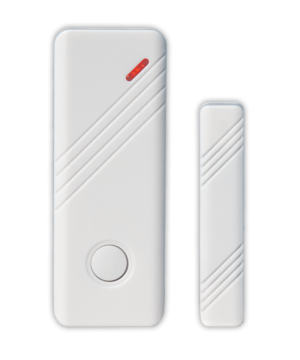
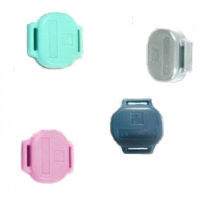
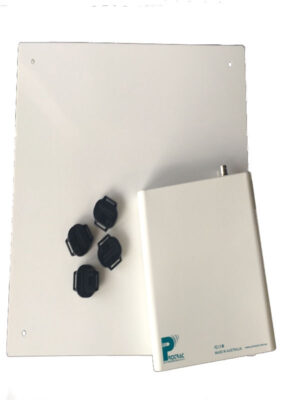
Safe-Life supplies a complete range of wandering alarm solutions for homes, aged care facilities and supported-living environments. These systems include wireless door sensors, curtain beam sensors, wristband wander tags and 4G personal alarms with GPS tracking. All devices integrate seamlessly into existing care routines to provide fast notification when someone moves beyond a safe area.
How wander alarms work
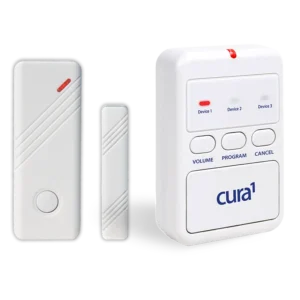
- Door sensors send alerts when a monitored door opens or closes.
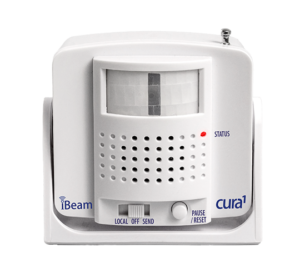
- Curtain beam or infrared sensors detect movement through doorways without requiring a physical contact switch.
- Wristband or tag-based systems trigger an alarm when a resident wearing the transmitter moves near an exit.
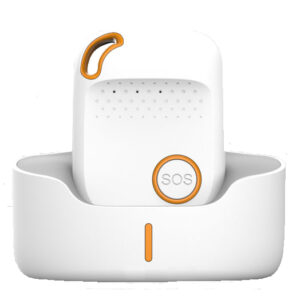
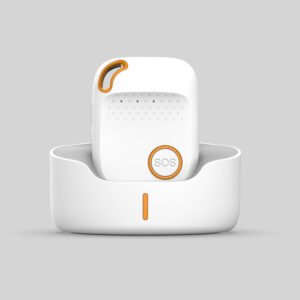
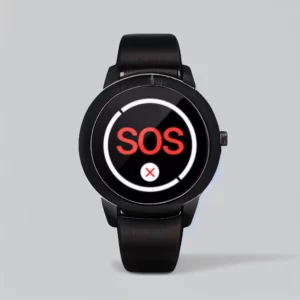
- 4G personal alarms with GPS provide tracking and emergency calling for residents who may leave the property entirely.
Who benefits from wander alert systems?
- People living with dementia or Alzheimer’s disease
- Residents who become disoriented, especially during the night
- Individuals with a history of exit-seeking or unsafe wandering
- Sleepwalkers who require discreet monitoring
- Carers needing reliable notifications without constant supervision
Types of wandering alarms available
1. Wireless door alarms for elderly and dementia care
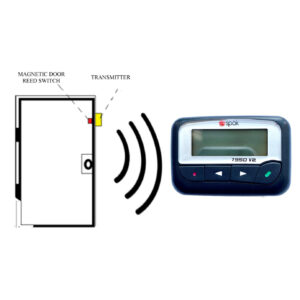
Simple magnetic door contacts provide instant alerts when a door is opened. Ideal for home care and smaller facilities.
2. Curtain and beam sensors
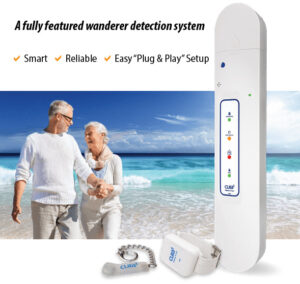
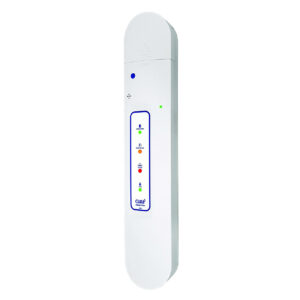
Infrared beam solutions such as the Cura1 iBeam detect movement through an entryway, offering a non-contact alternative to reed switches.
3. Advanced wander management systems
Systems like Protrac ID use wristbands or transmitter tags to detect when a monitored resident approaches a doorway, providing highly targeted alerts.
4. 4G GPS personal alarms
For residents who may leave the premises, a 4G personal alarm with GPS offers emergency calling, location tracking and geo-fence notifications.
Why choose Safe-Life wander alarms?
- Trusted solutions used in homes, residential care and hospitals
- Reliable long-range wireless connectivity
- Options for pagers, wristbands, curtain sensors and door contacts
- Easy installation and low ongoing maintenance
- Compatible with other fall-prevention alarms and monitoring devices
Explore the range below to find the right wander alert system for your environment.
Wander alarm frequently asked questions
What is a wander alarm?
A wander alarm is a monitoring system that alerts carers when a resident at risk of wandering approaches or passes through a monitored exit, such as a door or hallway. It helps prevent unsafe exits while allowing more independent movement.
Who are wander alarms designed for?
Wander alarms are designed for people living with dementia, Alzheimer’s disease, cognitive impairment, brain injury or other conditions that cause disorientation or exit-seeking behaviour. They are used in homes, retirement villages, group homes and residential aged care.
What is the difference between a door sensor and a curtain or beam sensor?
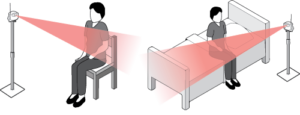
A door sensor (reed switch) triggers an alert when the door opens or closes. A curtain or beam sensor projects an invisible detection field across a doorway and activates when someone passes through, even if the door itself stays open.
Can these wandering alarms be used in a private home?
Yes. Many wander alarm systems in this category are suitable for home use as well as facilities. Wireless door contacts, pagers and beam sensors can be installed with minimal wiring and are ideal for monitoring front doors, back doors or bedroom doors.
Do wander alarms work with pagers and other alert devices?
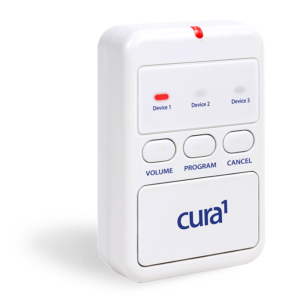
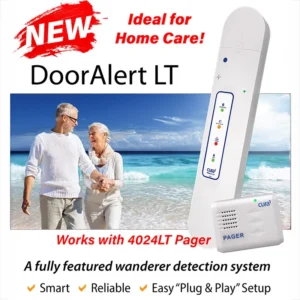
Most systems in this category can send alerts to portable pagers, over-door lights or central receivers, so carers are notified wherever they are in the home or facility. Some products can also work alongside other fall-prevention and nurse call equipment.
Which wander alarm is best for a resident with dementia who exits at night?
For night-time wandering, a wireless door alarm or curtain beam at the bedroom or exit door is often used, sometimes together with a pager so staff or family receive a discreet alert without waking other residents.