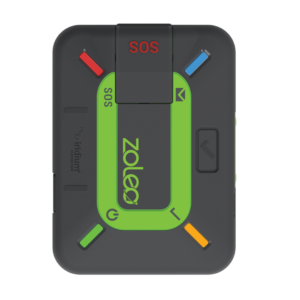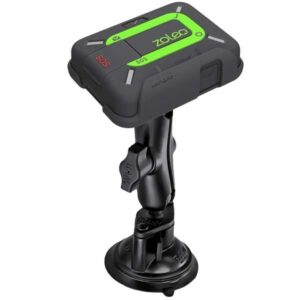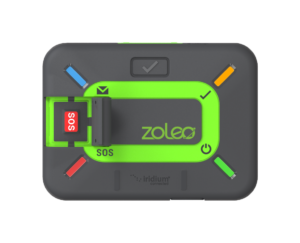
Satellite Communicators in Australia | Two-Way Emergency Messaging Devices
Emergency beacons are satellite-based distress devices used to send an emergency alert and location when no mobile coverage is available. This category is for people travelling, working, boating or adventuring in remote or high-risk environments across Australia. Safe-Life Australia supplies emergency beacons including EPIRBs, personal locator beacons, satellite communicators and man overboard beacons.
Showing all 7 results

Showing all 7 results
Emergency beacons are satellite-based distress devices used to send an emergency alert and location when no mobile coverage is available. This category is for people travelling, working, boating or adventuring in remote or high-risk environments across Australia. Safe-Life Australia supplies emergency beacons including EPIRBs, personal locator beacons, satellite communicators and man overboard beacons.
An emergency beacon is a safety device that transmits a distress signal via satellite when activated in a life-threatening situation. Unlike mobile phones, emergency beacons operate independently of mobile networks and are designed to work in remote land, offshore and maritime environments. Safe-Life emergency beacon categories are separated by use case to avoid confusion between marine, land and wearable devices.
EPIRBs are vessel-mounted emergency position indicating radio beacons designed for marine use and offshore emergencies.
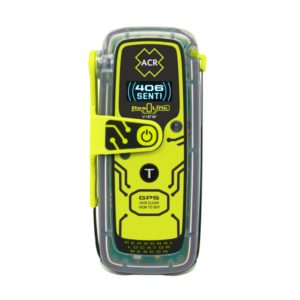
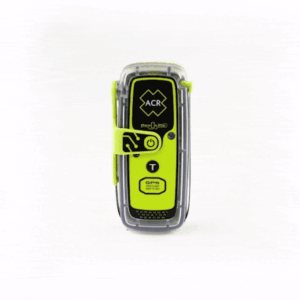
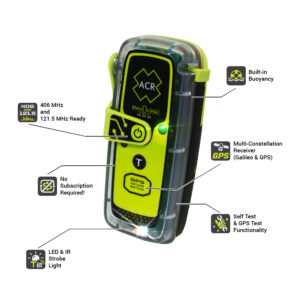
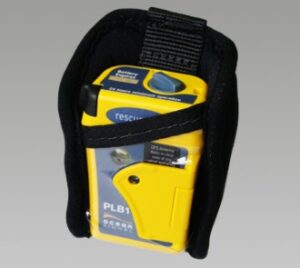
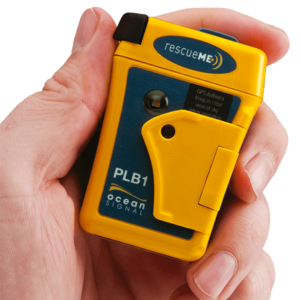
Personal Locator Beacons (PLBs) are compact, wearable emergency beacons for land and coastal use with no ongoing subscription.
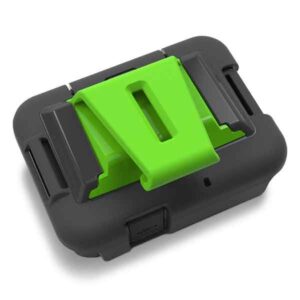
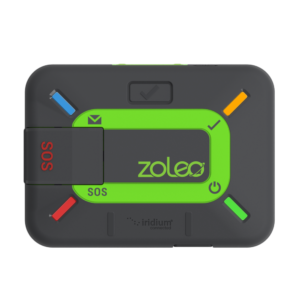
Satellite communicators allow two-way messaging, SOS alerts and tracking using commercial satellite networks, usually with a subscription.
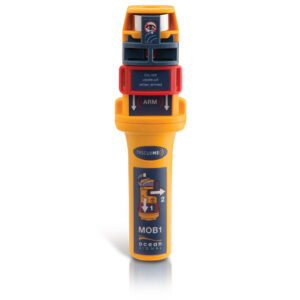
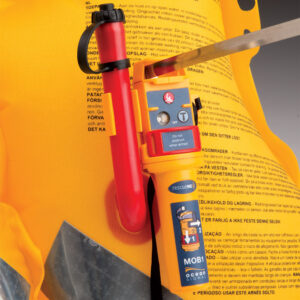
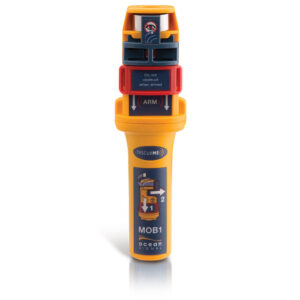
Man overboard beacons are designed to alert nearby vessels and rescue services if a person falls overboard.
| Product Type | Best For |
|---|---|
| EPIRB | Marine vessels, offshore boating and commercial maritime use |
| PLB | Land-based emergencies, hiking, 4WD and remote travel |
| Satellite Communicator | Two-way messaging, SOS alerts and non-emergency communication |
| Man Overboard Beacon | Immediate response when a person falls overboard |
An emergency beacon is a satellite device that sends a distress alert and location when activated in a life-threatening emergency.
Yes. Emergency beacons use satellite networks and do not rely on mobile phone reception.
EPIRBs and PLBs do not require subscriptions. Satellite communicators usually do.
Yes. EPIRBs and PLBs must be registered with the Australian Maritime Safety Authority so rescue services can identify the device.
Modern emergency beacons transmit on the 406 MHz search-and-rescue frequency.
Yes. Emergency beacons operate on global satellite systems and can be used worldwide.
EPIRBs are designed for vessels, while PLBs are smaller, personal devices for land or coastal use.
Emergency beacons should only be activated in genuine, life-threatening situations.