Background
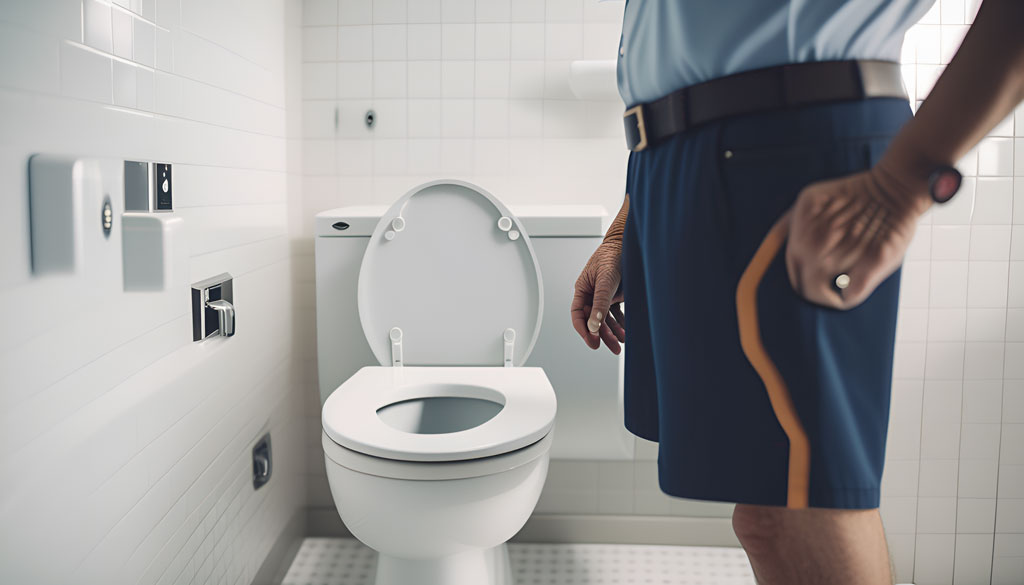
A busy medical centre in Melbourne, Victoria, servicing 80–100 patients per day, identified a safety gap during a routine audit. Many patients – including elderly, mobility-impaired, and post-procedure visitors were at increased risk while using restroom facilities.
Without an internal emergency alert system, the centre lacked a fast and reliable way for patients to request help whilst in the toilet locations. To improve safety and meet healthcare facility standards, the management implemented a basic toilet alarm call system.
Problem
- No emergency call option inside patient toilets.
- Risk of delayed assistance during falls, dizziness, or medical emergencies.
- Increased vulnerability for elderly and disabled patients.
- Needed to comply with medical centre basic duty-of-care standards.
Objective
To install a low-cost, reliable toilet alarm system that provides immediate alerts to staff and enhances patient safety within that medical centre.
To be able to easily expand the system to include call points and secondary visual indicators in other locations. The ability to include future wireless upgrade options such as portable pagers and annunciator displays.
Solution
The centre installed a Safe-Life basic toilet alarm call facility specifically suitable for healthcare premises. The system includes:
- Call-point with backlite antifungal, antibacterial silicon “Emergency” call button within each cubicle
- Flashing yellow visual indicator with integral buzzer outside the toilet location
- A secondary visual and audible alarm at the nurse/reception station
- Internal reset button
- UPS (uninterruptible Power Supply) plug pack for reliability during power issues
Function:
Patient presses button → Alarm activates → Staff respond → Staff reset alarm (or option) call for Assistance.
Implementation in the Melbourne Medical Centre
- Installation completed in approx. 3 hours per toilet location.
- Staff trained on emergency response and alarm resetting.
- System tested for visibility, sound level, and backup power reliability.
Outcomes
- No longer relying on other patients to raise an alarm.
- Estimated 60% reduction in response time to toilet-related incidents.
- Improved patient confidence when using restroom facilities.
Cost Summary
Total hardware cost per toilet cubicle: approx. $341
(Includes cubicle alarm unit, corridor indicator light)
Conclusion – Case Study: Basic Toilet Alarm
Installing a basic toilet alarm call system significantly improved safety, efficiency, and emergency responsiveness at the Melbourne medical centre. This affordable solution enhanced patient protection ensured faster staff intervention. It also significantly improved the medical canters duty of care obligations.
Being one of many existing medical centres using this Safe-Life reliable patient-safety improvements, this system offered strong value and effective results.
View Brochure, Installation Instructions & Video

Director – Alerting Devices Australia Pty Ltd (T/A SAFE-LIFE)