Fall detection devices with no monthly fee call your family or carers instead of a paid monitoring centre. You buy the device once and pay for a SIM plan, with no monthly monitoring bill. This guide explains how they work, what they cost and who they suit.
What is a fall detection device with no monthly fee?
It’s a personal alarm, usually a watch or pendant, that you can set up as an unmonitored or non-monitored alarm. Instead of connecting to a call centre, it contacts a list of people you choose, such as family, neighbours or a carer.
If the device detects a fall, or you press the SOS button:
- your contacts (up to 10) get an SMS alert with a link to your GPS location;
- the device calls them, and you can talk to whoever answers through the device;
- if it was an accident, you can cancel the alarm.
Your contacts can also call the device back to check on you. The device answers automatically, so you don’t need to press anything.
Monitored or unmonitored: what’s the difference?
| Unmonitored (no monthly fee) | Professionally monitored | |
|---|---|---|
| Who answers the alarm | Your chosen contacts | A 24/7 monitoring centre, which then contacts family or arranges help |
| Ongoing cost | A $66 yearly SIM plan | SIM plan plus a monitoring fee, billed quarterly or yearly |
| Best for | People with family or neighbours who can respond | People living alone without someone close by, or anyone who wants a person answering at any hour |
You don’t have to decide for good. Safe-Life’s falls watch and Signal pendant can be used either way, and you can add professional monitoring later.
With the contact list, family or friends are contacted first. You can add 000 as the last contact, so it’s only called if no one else responds. We recommend family or carers as the main contacts.
Safe-Life’s no-monthly-fee devices
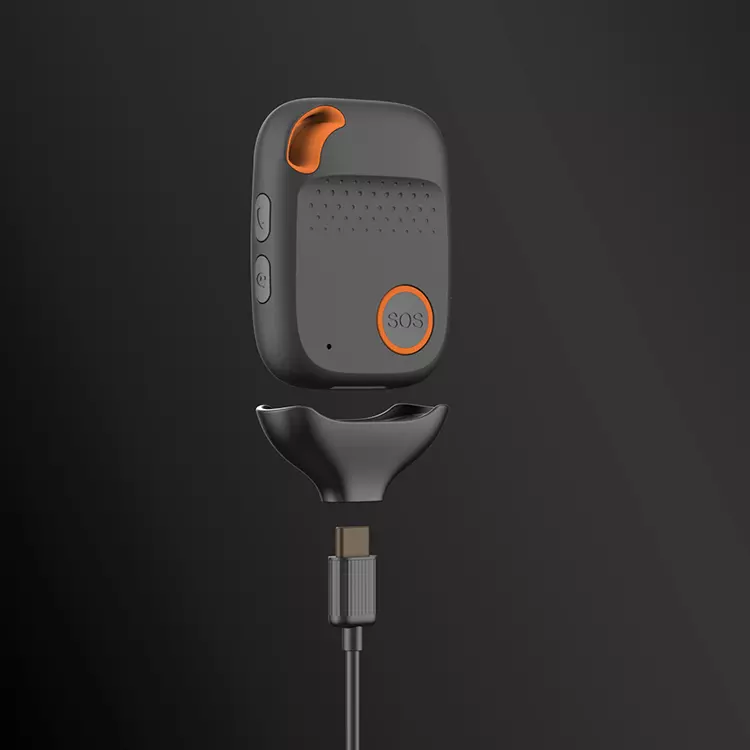
- Signal medical alert pendant: 4G, GPS, fall detection and two-way calling. It calls up to 10 contacts one after another until someone answers. The battery typically lasts about 4 days. Family can text it for an updated location, and you can set a geofence safe zone.
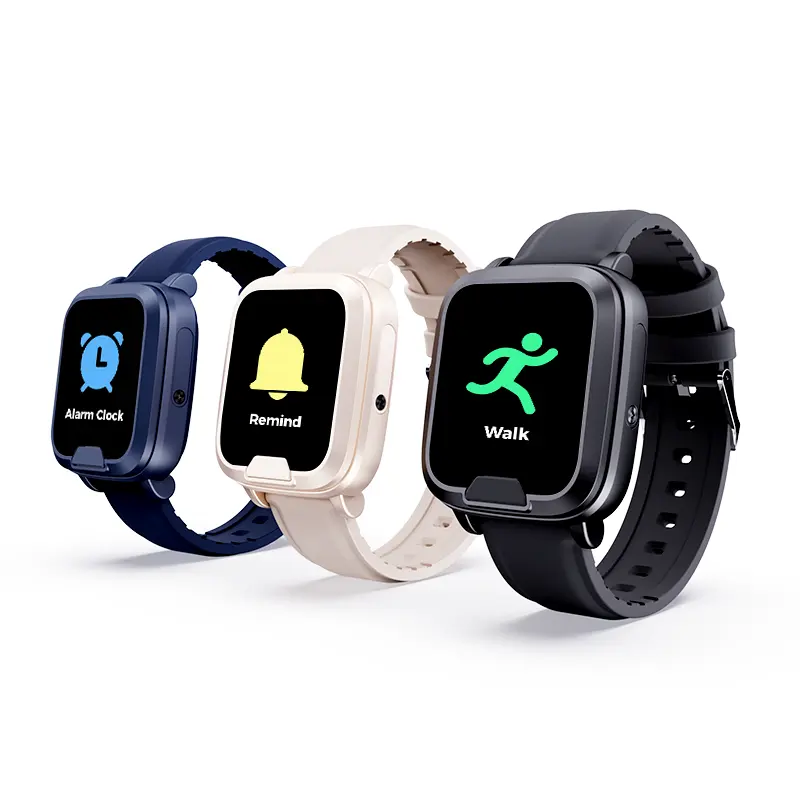
- Falls Detection Watch: 4G, GPS, fall detection, SOS and two-way calling. It can also take on-demand heart-rate and blood-oxygen readings (for wellness, not medical use) and count steps. The battery lasts 1 to 3 days with GPS and fall detection on.
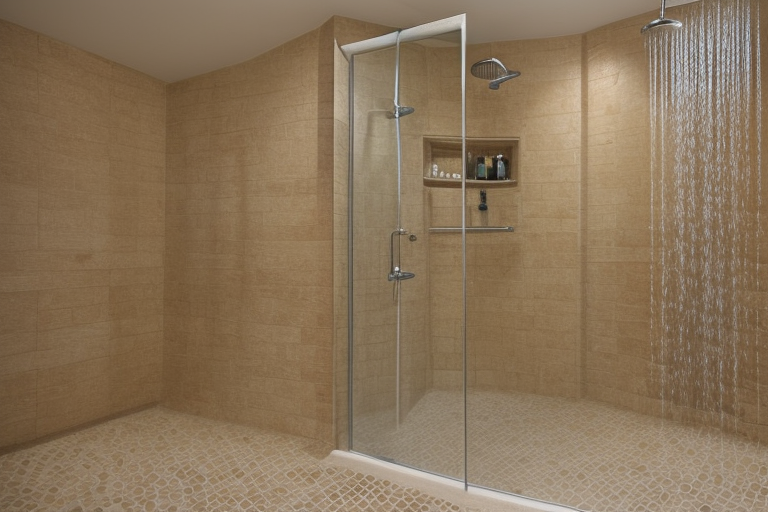
Both are IP67 rated, so you can wear them in the shower. They’re pre-programmed and tested in Melbourne before they’re sent out, and they work on any Australian 4G network. We supply Telstra and Optus SIMs.
What do they cost?
Personal alarms start at $447.30 for our Signal pendant, which currently includes the first year’s SIM service. After that, the SIM plan is $66 a year, with no monthly fees. Chair alarms start at $176.50 for a kit that plugs into an existing nurse call system, or $261 for a wireless chair alarm.
If you have a Support at Home plan (which replaced Home Care Packages on 1 November 2025), ask your provider about funding. Personal alarms can be funded through the program’s Assistive Technology and Home Modifications (AT-HM) scheme when your assessor includes one. If you get help through the Commonwealth Home Support Programme (CHSP), ask whether a personal alarm can be supplied through geat2GO.
What to look for
- Fall detection and an SOS button. Fall detection won’t catch every fall, so the wearer should still press the button if they can.
- GPS, if the person goes out on their own.
- Battery life you can live with. A watch that needs charging every day or two suits some people; a pendant that lasts several days suits others.
- Water resistance, because many falls happen in the bathroom. Look for IP67.
- Contacts who will answer. An unmonitored alarm is only as good as the people on its list. Check they’re happy to be called at night.
False alarms
Fall detection can sometimes go off when you haven’t fallen, for example if you drop the device or sit down hard. You can cancel a false alarm: on the Signal pendant, press SOS when the voice prompt plays; on the watch, cancel within 10 seconds. Make sure your contacts know the plan too: answer, check, and call back. If false alarms keep happening, contact us.
Try one for 30 days
Every Safe-Life personal alarm comes with a 30-day trial and a 12-month warranty. Browse personal alarms or contact us to talk through which device suits you.