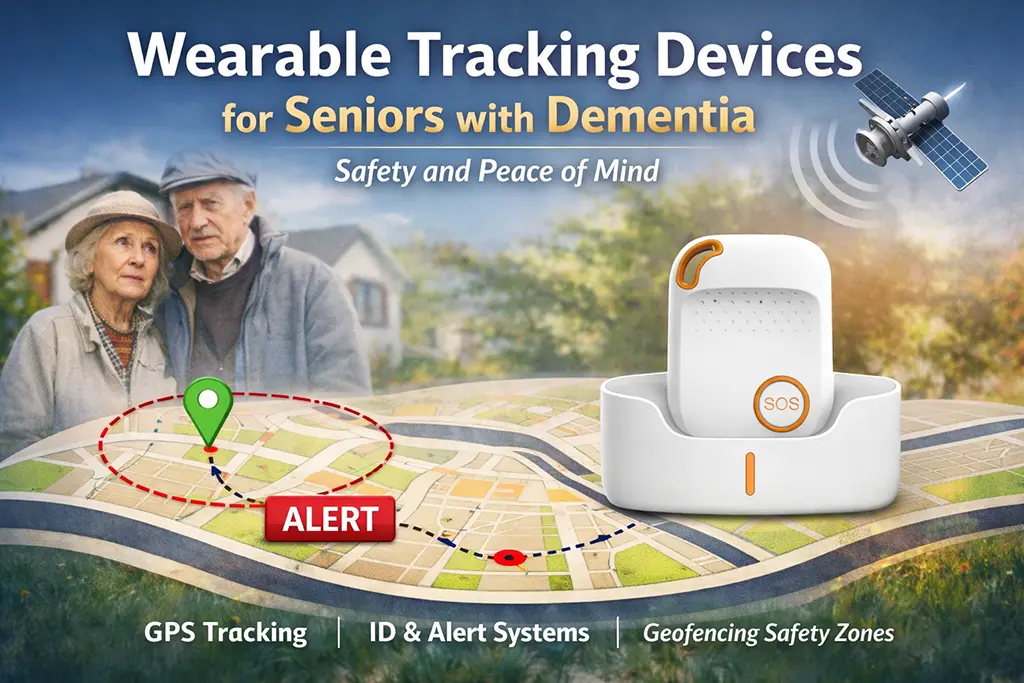
Wearable tracking devices help Australians living with dementia stay safer while reducing stress for families, carers, and aged care providers. These devices support location awareness, alerts, and early intervention when wandering occurs. Safe-Life supplies a range of dementia safety and tracking solutions used across home care, aged care, and supported living environments in Australia.
What are wearable tracking devices for seniors with dementia?
Wearable tracking devices are safety tools designed to help locate or monitor a person who may wander or become disoriented. They are commonly worn as pendants, watches, ID tags, or secure bracelets.
In dementia care, these devices are used to:
- Identify a person quickly
- Alert carers when movement occurs
- Support faster response when someone is lost
- Reduce reliance on restrictive practices
In Australia, these devices are used in private homes, residential aged care, memory support units, and NDIS-funded settings.
Why does this matter for Australians?
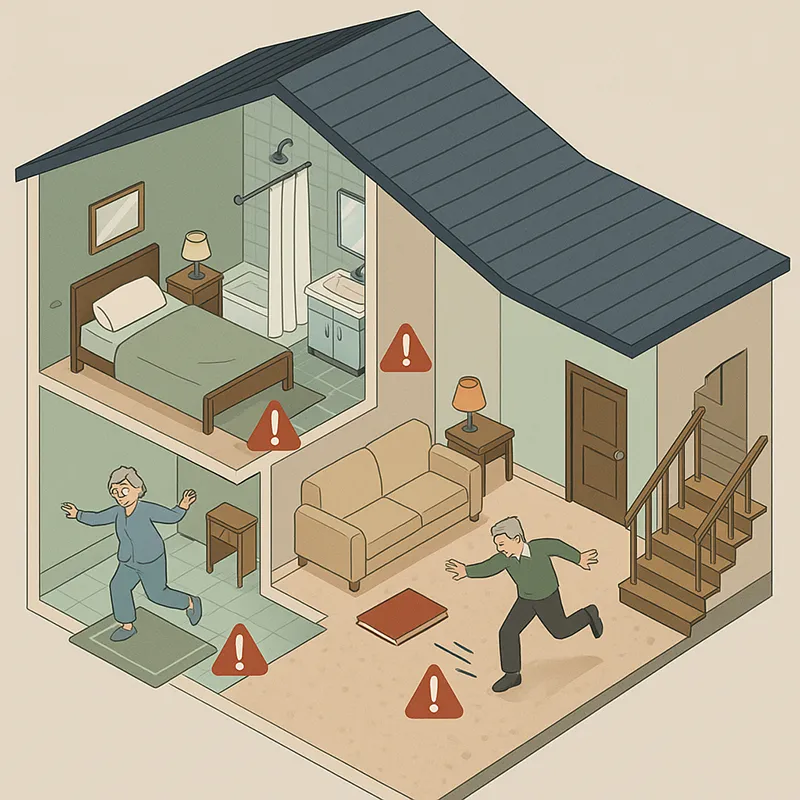
Dementia-related wandering can happen without warning. It can occur day or night, indoors or outdoors. Risk increases when someone becomes disoriented, anxious, or is trying to “go home” or find a familiar place.
Australian context matters because:
- Suburban layouts can make it easy to leave a property unnoticed
- Hot weather can increase medical risk during a missing-person event
- Regional and rural areas can mean longer response times
- Ageing at home is common, which increases reliance on caregiver support and technology
What types of wearable tracking and safety devices are commonly used?
Most dementia safety plans use more than one device type. Wearables are commonly combined with environmental alerts for a layered approach.
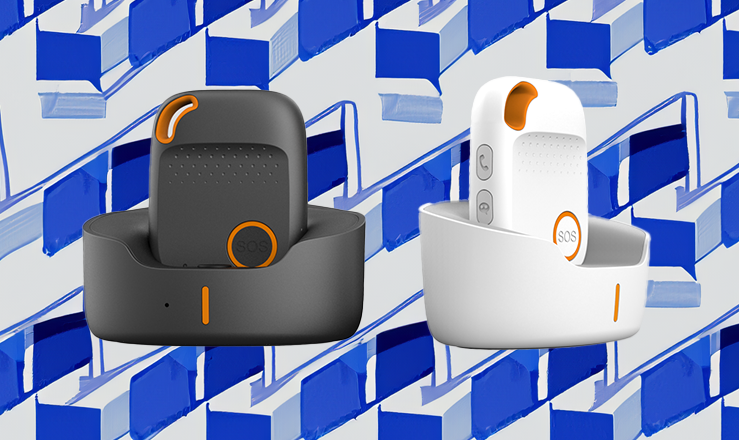
GPS-enabled personal alarms
GPS-enabled personal alarms allow carers to view a person’s location and receive alerts when predefined boundaries are crossed. These are commonly worn as a pendant or watch.
Relevant options include:
These devices support:
- GPS location reporting (live or last-known location)
- Geofencing alerts (boundary notifications)
- Emergency call activation
- Fall detection (device dependent)
Identification and wanderer alert systems
Some people with dementia remove standard pendants or watches. In these cases, an ID and monitoring approach can be more reliable, depending on the person’s needs and environment.
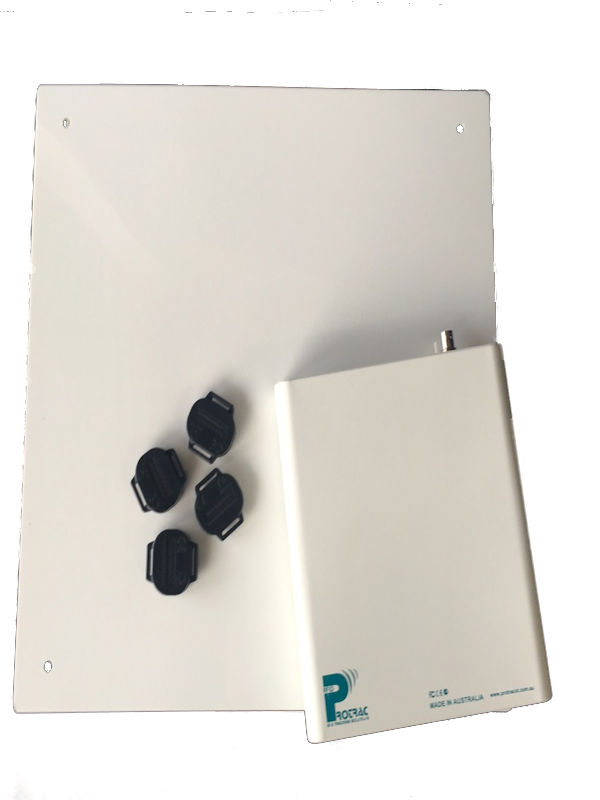
One example is the Protrac ID Wanderer Alert System, which is used to support identification and response when a person is missing or has wandered.
Environmental alert systems that support wearables
Wearables are often paired with fixed alerts that notify carers early, before wandering escalates. This can be useful at home, in respite, or in aged care environments.
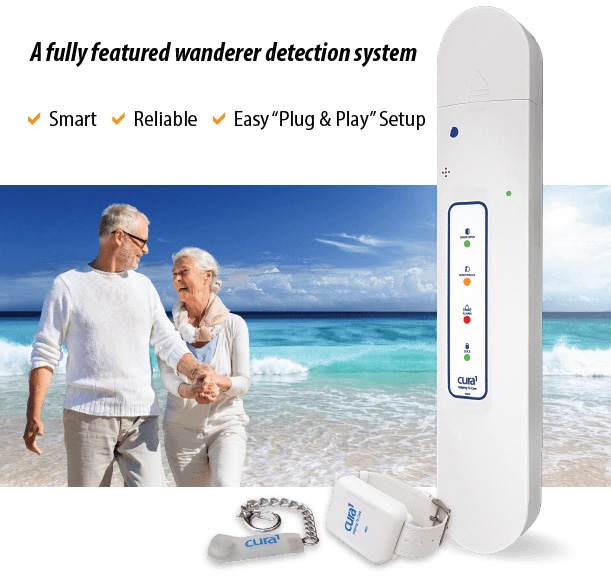
An example is Cura1 DoorAlert LT Resident To Resident Abuse, which can alert staff when a door is opened and support earlier intervention.
How do GPS and geofencing features work?
Geofencing allows a carer to define a safe area using a digital map. If the person leaves that area, the device can trigger an alert.
Typical workflow:
- A boundary is set around a home, neighbourhood, or facility
- The device monitors location using GPS
- An alert triggers when the boundary is crossed
- The carer receives an alert and location details
- Response steps begin (call, check, attend, or escalate if needed)
Limitations to plan for:
- GPS accuracy depends on mobile coverage and environment
- Indoor location can be less precise than outdoor location
- Battery charging is required
- Some devices report location on intervals rather than continuously
What caregiver tips reduce wandering risk?
Technology works best when paired with a simple, consistent care plan.
- Keep device wearing and charging part of a daily routine
- Use geofencing for predictable routes (shops, parks, neighbours)
- Add a door alert to improve early detection
- Keep recent photos available for quick sharing if needed
- Discuss escalation steps in advance (who calls, who searches, when to escalate)
Who benefits most from wearable dementia tracking devices?
- Older adults living with dementia at home
- Residents in memory support units
- People with a history of wandering
- Family carers
- Professional carers and support workers
- Aged care and SDA facilities
- NDIS-funded living environments
Comparison of dementia safety device types
| Device type | Primary purpose |
|---|---|
| GPS pendant alarm | Location tracking and emergency alerts |
| GPS watch | Location tracking with fall detection (device dependent) |
| ID / wanderer alert system | Identification and monitoring support when someone is missing |
| Door alert system | Early warning before wandering escalates |
| Combined approach | Layered risk reduction for home or facility care |
Australian funding and care context
Wearable tracking and alert devices may be included under My Aged Care support plans or NDIS Assistive Technology funding, depending on assessed needs, risks, and supports. In facilities, they may also be implemented as part of a broader duty-of-care and safety plan.
In practice, tracking and alert tools are typically used as risk mitigation rather than as a restrictive measure. The goal is faster response and better supervision, not limitation of movement.
Summary
Wearable tracking devices support dementia safety by improving location awareness, enabling alerts, and reducing time-to-response when wandering occurs. In Australia, they are used across home care, aged care, and disability support environments as part of layered safety strategies. Safe-Life supplies GPS alarms, identification systems, and alert devices designed to support carers and reduce wandering-related risk.