Medical Alarm Pendant
Safe-Life supplies personal alarms across Australia, including personal safety alarms, medical alert devices and mobile personal alarms designed for seniors, carers and lone workers who need a fast way to call for help.
These personal alarm systems allow the user to press a button, or trigger fall detection on supported models, so family, carers or monitoring services are alerted quickly.
Showing all 11 results
Showing all 11 results
Safe-Life supplies personal alarms across Australia, including personal safety alarms, medical alert devices and mobile personal alarms designed for seniors, carers and lone workers who need a fast way to call for help.
These personal alarm systems allow the user to press a button, or trigger fall detection on supported models, so family, carers or monitoring services are alerted quickly.
Solutions include mobile personal alarms for the elderly, personal safety alarms, monitored personal alarms and phone-connected devices, all designed to support independent living in Australia.
Important note for pacemaker users: Discuss with your doctor prior to using this product – further information here.
A personal alarm is a small, portable safety device that lets the wearer call for help during an emergency.
It can be worn as a pendant, watch or carried as a discrete personal safety alarm, and is commonly used as a
personal medical alarm or personal alarm for elderly Australians.
Safe-Life personal alarms include 4G mobile pendants, personal safety alarms, medical alert watches and phone-connected devices.
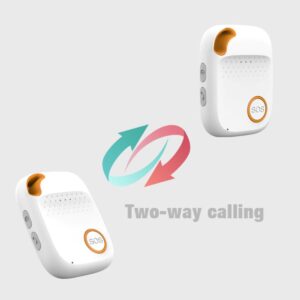
Many models support automatic fall detection, GPS location sharing and two-way voice calls, so help can be reached quickly when needed.
Personal alarm systems follow a simple process so the user can get help with minimal steps:
Safe-Life 4G personal mobile alarms operate wherever there is mobile coverage in Australia, so no landline is required and Wi-Fi is only needed for specific app-based options.
Safe-Life personal alarm systems for the elderly and others are used by:
This category includes several types of personal alarms Australia wide, so users can choose the level of support they need.
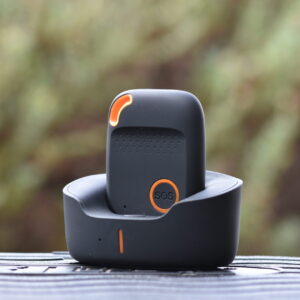
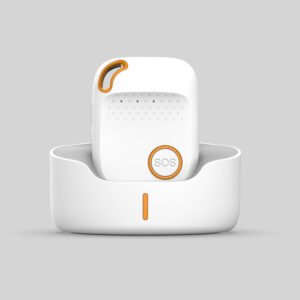
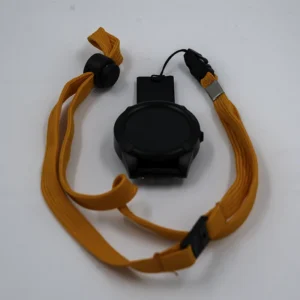
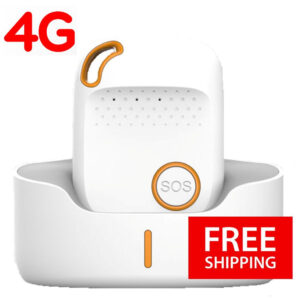
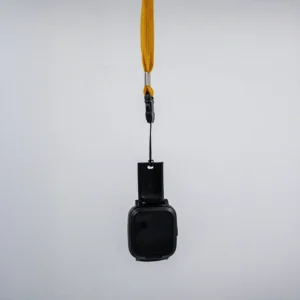
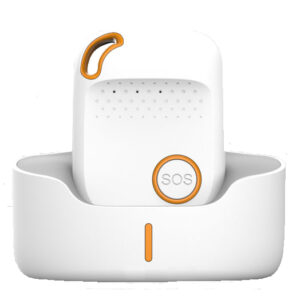
Wearable pendants that include SOS, optional fall detection, GPS tracking and two-way voice calling.
They are suitable as personal medical alarms for seniors at home and outdoors.
Example: Safe-Life 4G GPS Pendant Alarm.
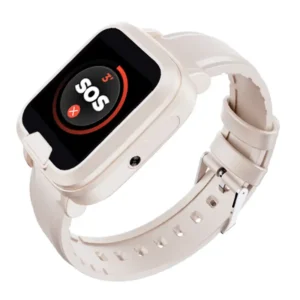
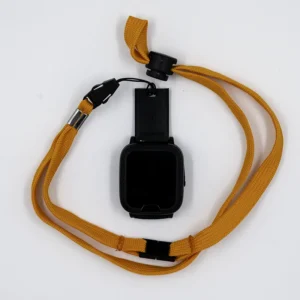
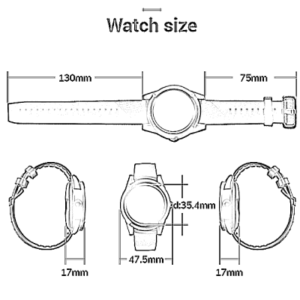
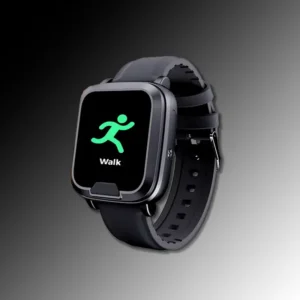
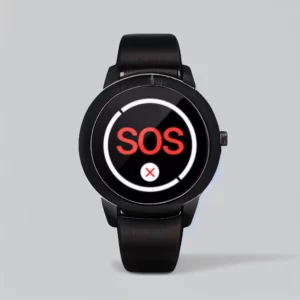
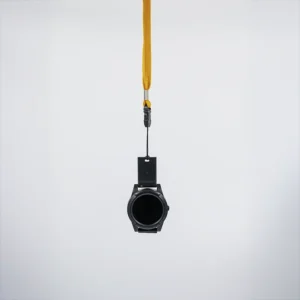
Smart medical alert watches with automatic fall detection and 4G connectivity, designed as a discreet alternative to a pendant alarm for elderly users.
Example: Safe-Life Falls Detection Watch.
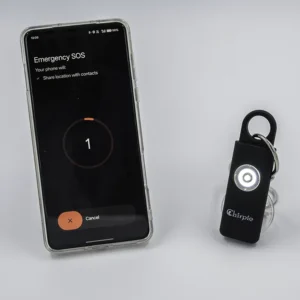
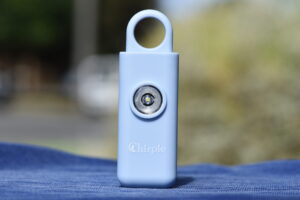
Bluetooth personal alarms that connect to an Android or iPhone and trigger the phone’s emergency contacts when activated.
These are ideal for users who always carry a smartphone and want a personal alarm linked to a mobile phone.
Example: Chirpie Link phone-connected alarm.
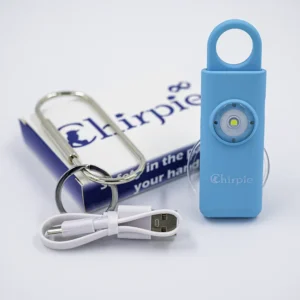
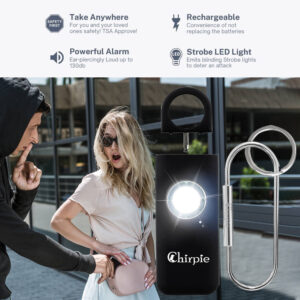
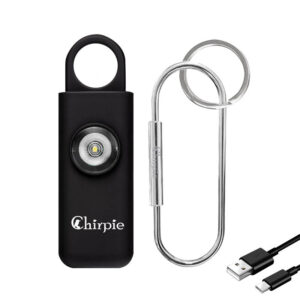
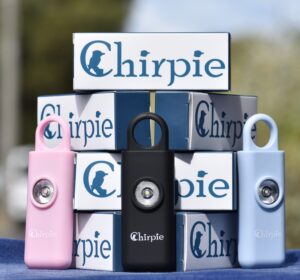
Compact siren devices used as personal security alarms to deter threats and attract attention in public.
These are often chosen as a simple personal safety alarm option for everyday carry.
Example: Chirpie Infinity personal safety alarm.
Fixed call buttons, bathroom alarms and nurse call integrations used as emergency alarms for elderly in SDA, aged-care facilities or supported accommodation.
Most Safe-Life personal emergency alarms include some or all of the following features:
| Product type | Best for |
|---|---|
| 4G pendant personal alarm | Seniors needing a mobile personal medical alarm for home and community |
| Fall detection watch | Users who prefer a discreet, wrist worn medical alert device |
| Phone-connected personal alarm | Light support users who always carry a smartphone |
| Panic or personal safety alarm | Personal security, deterrence and quick sound based alerts |
| Home-based emergency call system | Fixed installations in SDA, aged-care or high support environments |
Yes. Most Safe-Life 4G personal alarms connect through the mobile network and do not rely on home Wi-Fi.
Many pendant and watch models include built in fall detection using accelerometer sensors to trigger an alert after a suspected fall.
Yes. Many personal alarm systems from Safe-Life are used by NDIS participants, including under GEAT2GO, Capital and Core budgets when clinically recommended.
Not always. Some personal alarms can call or text family and carers directly without a monitoring fee, while monitored services are available for those needing higher support.
Many Safe-Life personal alarm pendants and watches have IP67 or IP68 ratings, which means they can be worn in wet environments such as bathrooms. Always check the individual product details.
Even if the user cannot speak, the personal medical alarm still sends an alert and, on supported models, shares location data so contacts can respond based on the last known position.
Yes. Safe-Life mobile personal alarms work anywhere in Australia with suitable 4G network coverage.