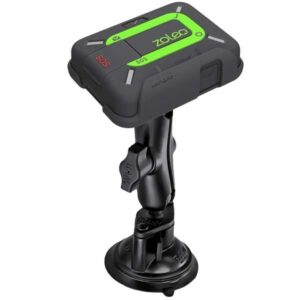
What is a satellite communicator?
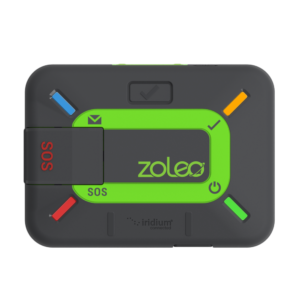
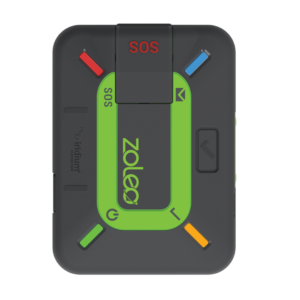
A satellite communicator is a device that sends and receives messages using satellite networks instead of mobile phone towers. Unlike PLBs or EPIRBs, satellite communicators support two-way communication, allowing users to receive confirmation that help has been notified.
Satellite communicators are commonly used where mobile coverage is unreliable or unavailable, including remote inland regions, coastal areas, and offshore environments.
How do satellite communicators work?
- The device connects to a global satellite network rather than mobile towers.
- GPS location data is transmitted when messaging or SOS functions are activated.
- Messages are routed to emergency contacts or monitoring services.
- Two-way communication allows responses and updates to be received.
Unlike one-way emergency devices such as EPIRBs, satellite communicators provide confirmation that alerts have been delivered.
Who are satellite communicators for?
- People travelling in remote or rural parts of Australia.
- Four-wheel-drive, camping, and off-grid travellers.
- Boaters who want two-way messaging rather than a one-way distress beacon.
- Remote workers and solo operators.
- Users comparing satellite communicators against PLBs or EPIRBs.
How satellite communicators compare to other emergency beacons
| Device type |
Best suited for |
| Satellite communicators |
Two-way messaging, SOS alerts, and confirmation of response |
| Personal Locator Beacons (PLBs) |
One-way emergency distress alerts with GPS location |
| Man Overboard Beacons |
Marine safety for crew recovery situations |
| EPIRBs |
Maritime and offshore emergency distress signalling |
What products are in this category?
- Satellite communicators – Devices that support two-way satellite messaging and SOS alerts.
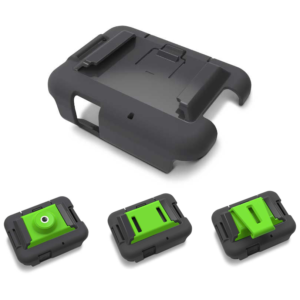
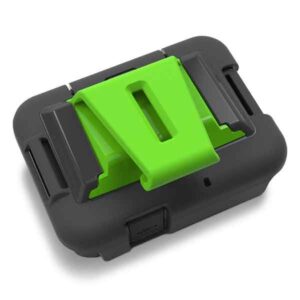
- Satellite communicator accessories – Vehicle mounts, cradles, floats, and charging accessories designed for land and marine use.
Why choose Safe-Life for satellite communicators?
- Australian supplier with local technical support.
- Products selected to complement PLBs, EPIRBs, and marine beacons.
- Clear guidance on choosing the right emergency device for your use case.
- Accessories stocked for long-term and field use.
Frequently asked questions about satellite communicators
Do satellite communicators work without mobile coverage?
Yes. Satellite communicators operate independently of mobile phone networks.
Are satellite communicators the same as PLBs?
No. PLBs send one-way distress signals, while satellite communicators allow two-way messaging.
Can satellite communicators replace EPIRBs?
No. EPIRBs are regulated maritime distress devices, while satellite communicators are designed for two-way communication and personal safety.
Do satellite communicators require a subscription?
Yes. Most satellite communicators require an active service plan to enable messaging and SOS functions.
Are satellite communicators legal to use in Australia?
Yes. Satellite communicators are legal and widely used across Australia for emergency communication.