What is a corded (hardwired) bed alarm?
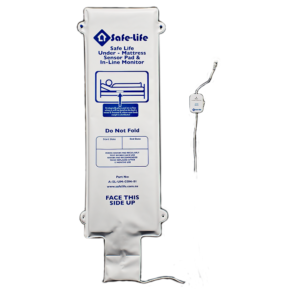
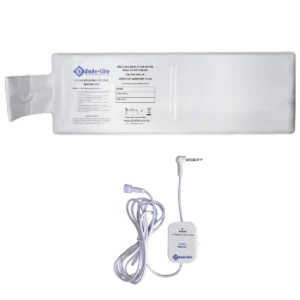
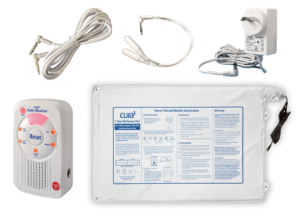
A wired bed alarm (also called a hardwired bed alarm) is a bed-exit alert setup that uses a pressure or under-mattress sensor pad connected by cable to a monitor. When pressure changes on the pad as a person shifts toward standing, the monitor triggers an alert to notify staff or carers.
Safe-Life’s range covers both facility-style setups that connect into broader call infrastructure and standalone home monitoring setups using a local monitor.
How do hardwired bed alarms work?
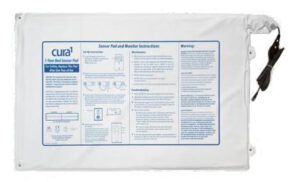
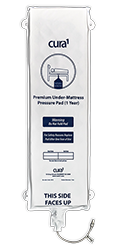
- A bed sensor pad is placed under the mattress protector or positioned under the mattress (depending on pad type).
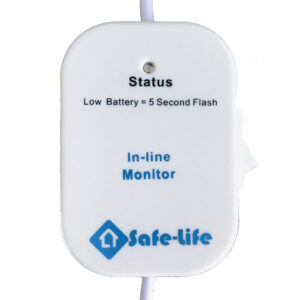
- The pad connects by cable to a wired monitor (or in-line monitor), creating a continuous circuit.
- When the person begins to rise and pressure changes, the monitor detects the change.
- The monitor triggers an alert (local alarm and/or connection output, depending on model and setup).
- Staff or carers respond and reset the alert using the monitor controls or a compatible cancel key (where applicable).
Who are corded bed alarms for?
- Aged care residents who are unsteady when getting out of bed at night.
- People living with disability who need supervised bed-exit monitoring.
- Hospitals, rehab, and short-stay settings wanting a wired, plug-in option.
- Home carers who want a simple bed monitor without relying on wireless transmitters.
- Services that need replacement pads, leads, or power packs to keep existing systems running.
What types of products are in this category?
Hardwired bed pad kits
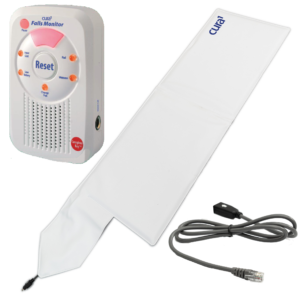
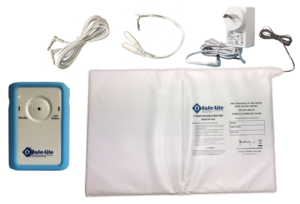
Complete corded bed alarm kits that bundle a bed sensor pad with a wired monitor and required leads. Benefit: quick setup when you want a matched, compatible system. Cura1 wireless bed alarm components offer the flexibility of installation without the constraints of cables. These components are designed to work seamlessly with existing systems, ensuring reliable monitoring. With this technology, users can enhance the safety and comfort of their sleeping environment.
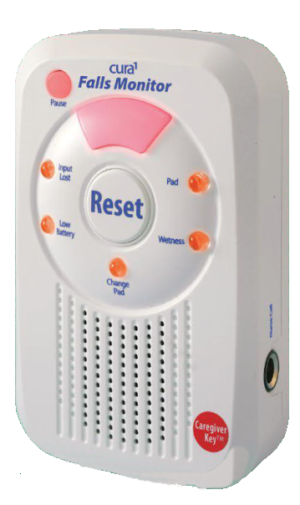
Hardwired monitors and in-line monitors
Wired monitors that supervise bed pads (and often chair pads and floor mats). Benefit: one monitor can support multiple monitoring use cases depending on inputs and accessories.
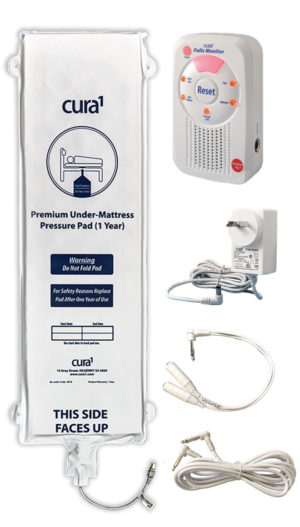
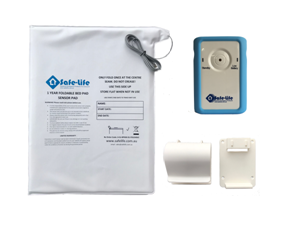
Hardwired bed pads and under-mattress pressure pads
Individual replacement sensor pads used for bed-exit monitoring. Benefit: lets you replace only the worn component without replacing the monitor.
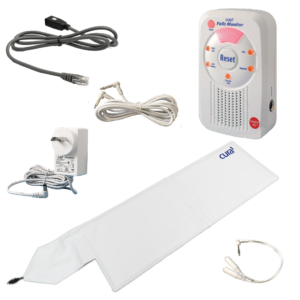
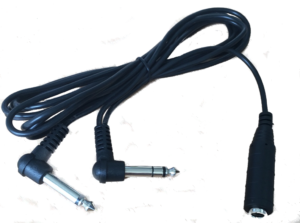
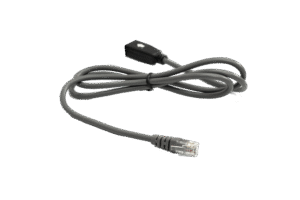
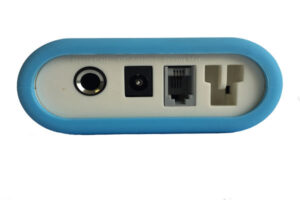
Leads, Y-cables, and connection cables
Replacement leads used between pads, monitors, and call-point interfaces. Benefit: restores reliability if a cable is damaged, stretched, or intermittently triggering.
Power packs and plug packs
Replacement power supplies for compatible monitors. Benefit: keeps systems powered correctly and reduces nuisance faults caused by incorrect adapters.
Cancel keys and reset accessories
Accessories used to silence/reset alerts where required. Benefit: faster resets for staff workflows and consistent operation across rooms.
Key features and benefits
| Feature |
Description |
| Wired (corded) monitoring |
Pad-to-monitor connection by cable for continuous supervision. |
| Under-mattress sensing |
Pad can be placed under protector or under mattress depending on model. |
| Standalone or integrated setups |
Can be used as a local bed alarm or as part of a broader call setup depending on equipment. |
| Replaceable components |
Swap pads, leads, plug packs, and accessories without replacing the whole system. |
| Multi-use monitoring |
Many wired monitors support bed, chair, and floor inputs when paired with the right accessories. |
Why choose Safe-Life?
- Range includes complete kits and individual replacement parts in the one category.
- Options suitable for both facility environments and home monitoring.
- Compatible accessories (leads, power packs, cancel keys) to keep systems running consistently.
- Related categories available for adjacent monitoring needs, like chair and floor monitoring.
Related Safe-Life categories
FAQs about corded (hardwired) bed alarms
What is the difference between a corded bed alarm and a wireless bed alarm?
A corded bed alarm uses a physical cable between the sensor pad and monitor. A wireless bed alarm uses a transmitter to send an alert to a receiver or pager system.
Do hardwired bed alarms work with under-mattress pads as well as bed pads under the protector?
Yes. Some systems use a pad under the mattress protector, while others use an under-mattress pressure pad. The correct option depends on the pad type and the monitoring setup.
Can I buy a wired bed pad on its own without a kit?
Yes. This category includes individual bed pads and under-mattress pressure pads, not only complete kits.
What accessories are commonly needed for a wired bed alarm setup?
Common accessories include monitor-to-call-point leads, Y-cables (where used), replacement power packs, and cancel/reset keys depending on the monitor model.
Will a hardwired bed alarm reduce false alarms?
It can help, but it depends on placement and configuration. Correct pad positioning, stable cabling, and using the right monitor settings are the main factors that reduce nuisance alarms.
Can the same wired monitor be used for bed pads and chair pads?
Often, yes. Many wired monitors are designed to support bed pads, chair pads, and sometimes floor mats, provided the correct pad type and leads are used.
Where should the bed sensor pad be placed for reliable alerts?
Placement depends on the pad design. In general, the pad is positioned where pressure changes occur as the person moves toward sitting or standing, and it should be secured flat to avoid shifting.