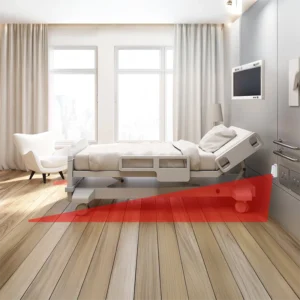
Sensor Beam Bed Alarms
Safe-Life provides a full range of bed alarms, bed sensors and bed exit alarms for aged care, hospitals and home care across Australia. These systems help monitor when a person gets out of bed, moves unexpectedly or has an incontinence event, giving caregivers fast, reliable alerts.
Showing 13–24 of 58 results

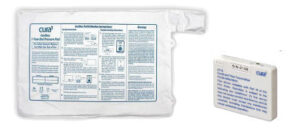
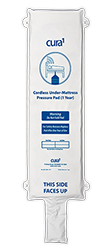
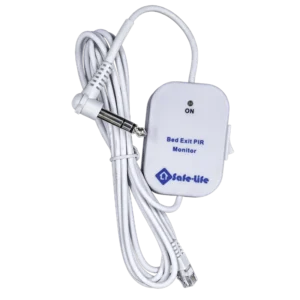
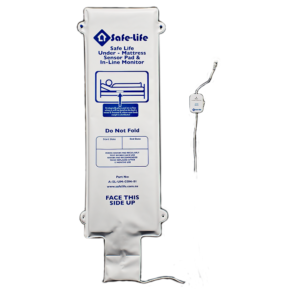
Showing 13–24 of 58 results
Safe-Life provides a full range of bed alarms, bed sensors and bed exit alarms for aged care, hospitals and home care across Australia. These systems help monitor when a person gets out of bed, moves unexpectedly or has an incontinence event, giving caregivers fast, reliable alerts.
Whether you support an older person at home, manage a residential aged care facility or work in hospital care, Safe-Life bed alarms, sensor beams and bed sensor pads are designed to fit into existing care routines and nurse call systems.
Bed alarms and bed sensors are devices that detect movement, pressure changes or moisture in and around the bed, then send an alert to staff or carers. In aged care and hospital environments they form part of a wider falls prevention and incontinence management strategy, giving early warning when a person is about to get out of bed or has had a bed wetting event.
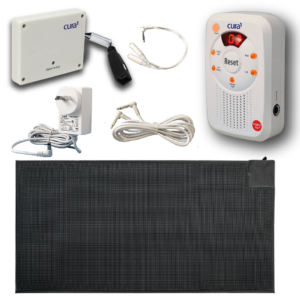
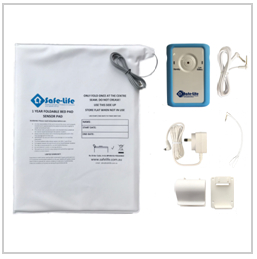
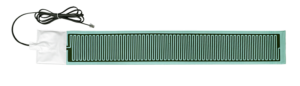
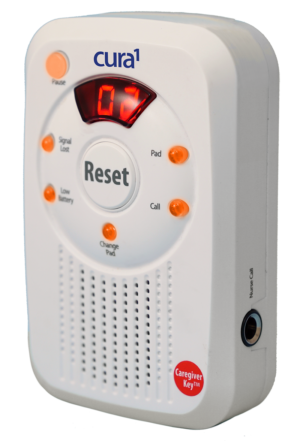
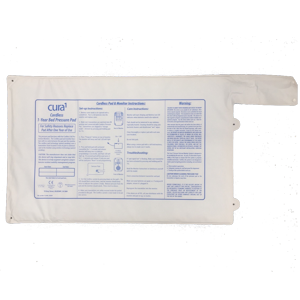
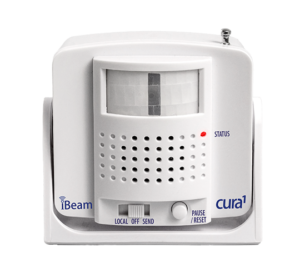
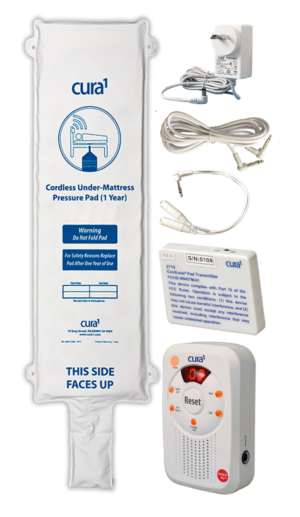
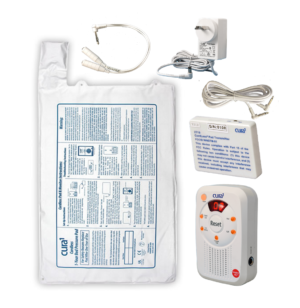
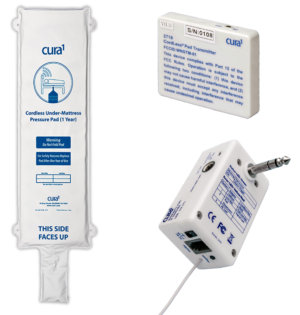
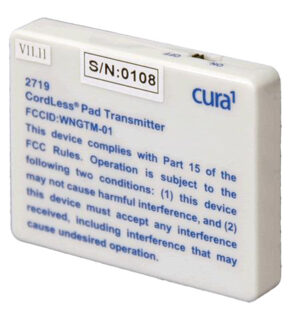
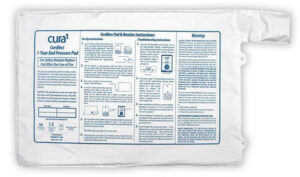
Safe-Life bed alarms cover wireless bed pads, bed pressure sensors, sensor beam alarms and bed wetting alarm pads, so facilities and families can choose the level of monitoring that suits their environment.
Who are these systems for?
Types of bed alarms available
| Feature | Description |
|---|---|
| Detection method | Pressure pads, PIR sensor beams, mattress sensors or moisture pads. |
| Alert options | Local monitor tones, silent pager alerts, or nurse call activation. |
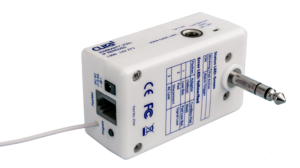
| Installation | Plug-in systems, hardwired nurse call kits, or wireless bed alarms. |
| Environment | Designed for hospitals, residential aged care, disability support, and home care. |
| Fall and incontinence support | Supports bed alarms for fall prevention and overnight incontinence monitoring. |
Yes. These are called bed exit alarms or bed alarms. They use pressure pads, mattress sensors or PIR sensor beams to detect movement and send an alert.
The clinical evidence on bed alarms as a stand-alone intervention is mixed to negative. A large 2012 trial in Annals of Internal Medicine found that increasing bed alarm use in hospitals did not reduce falls, even when alarm use rose nearly 36-fold. A 2022 review in Age and Ageing reached a similar conclusion, while a 2018 Cochrane review found the existing evidence too low-quality to be certain either way. The consistent finding across this research is that bed alarms work best as one part of a broader falls prevention plan – alongside supervision, mobility support, environmental changes and staff or family education – rather than as a solution on their own.
Bed alarms are used when someone is at higher risk of falls, confusion or wandering, such as after surgery or in dementia care.
Most alarms are adjustable, typically between 70–120 decibels. Many also support silent pager or nurse call alerts.
They provide early alerts when someone attempts to mobilise without assistance, helping staff respond quickly.
Yes. Many bed alarms for elderly at home are wireless and easy to install without professional wiring.
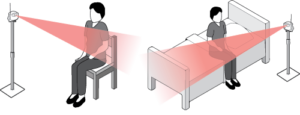
Sensor beam bed alarms and under-mattress sensors are often preferred as they require no action from the person.
Many systems are designed to connect directly into standard nurse call points or via interfaces.