Safe Life Blogs
Welcome to the SafeLife Blog – your trusted source for expert insights, safety tips, and the latest updates on assistive technology and independent living solutions.
-

|
5–8 minutesIndependent Living Aids and Assistive Technology for Seniors in Australia
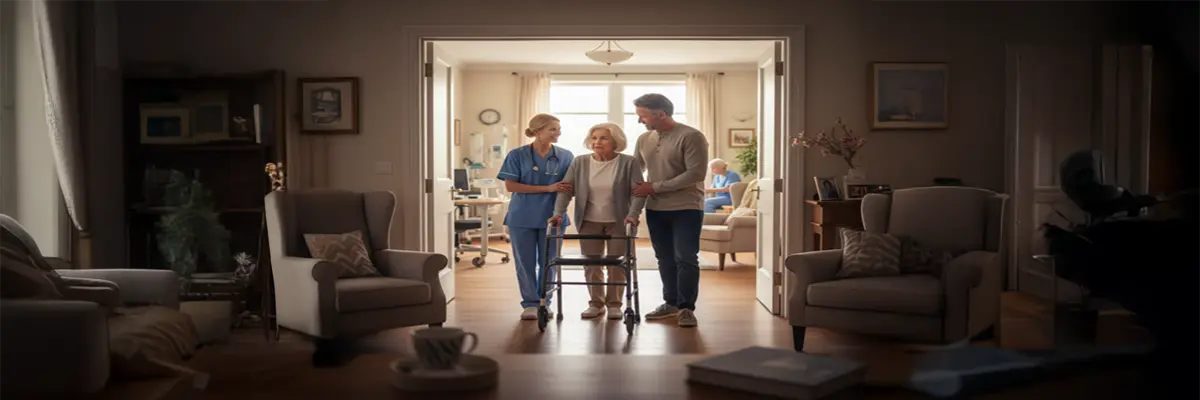
Independent living aids and assistive technology can help older Australians stay independent at home by making daily tasks easier, improving accessibility, and supporting faster help-seeking when something goes wrong. In Australia, this matters because most people prefer to age in place, and pathways such as Support at Home and the…
-

|
3–5 minutesSolutions to Prevent Wandering and Elopement in Elderly Residents
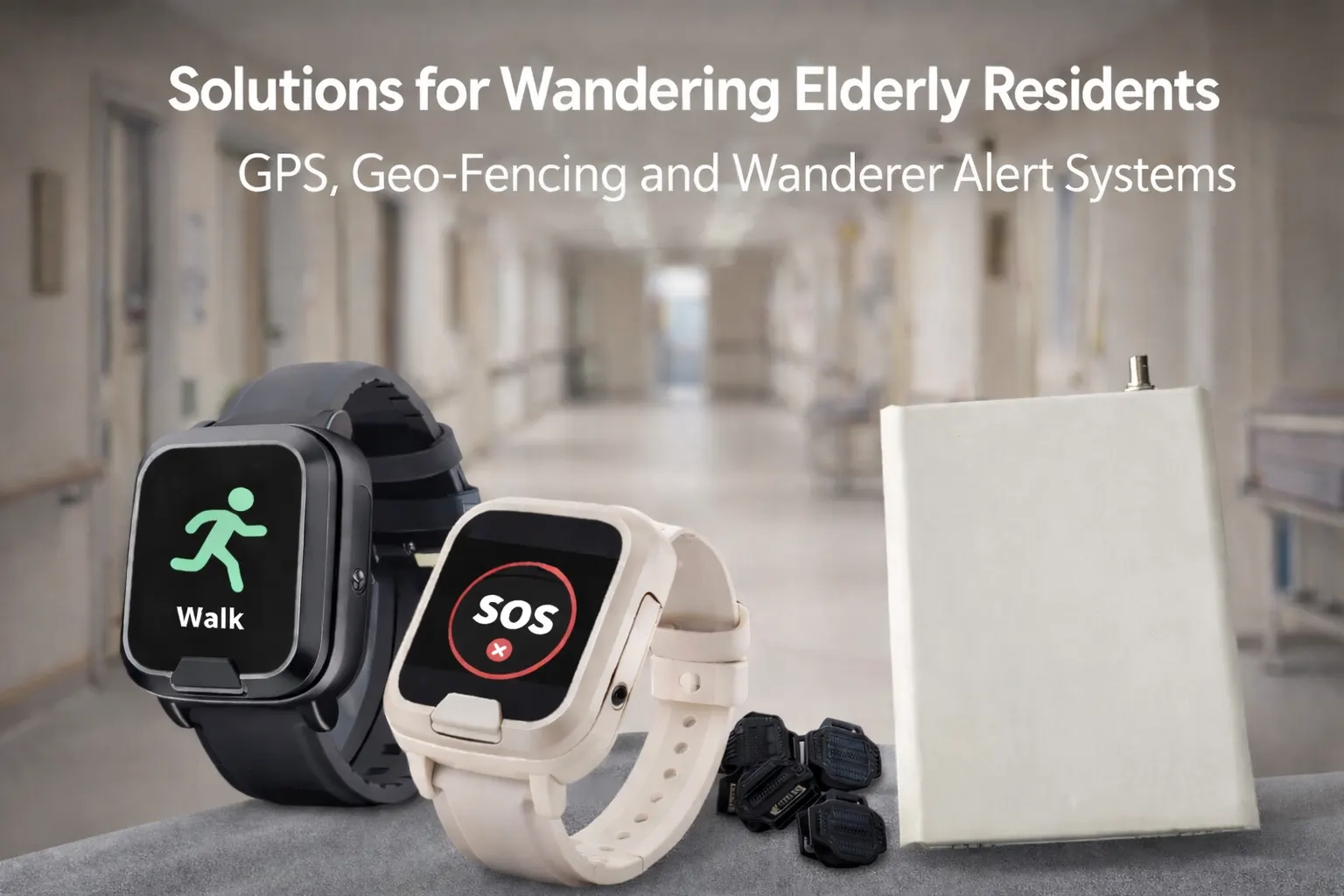
This article explains practical solutions for wandering elderly residents, who benefits from them, and how these systems support safety in Australian aged care and home environments. It covers wearable GPS tracking, geo-fencing safety alarms, door-based wanderer alert systems and implementation strategies to prevent wandering and elopement among older adults. What…
-

|
2–3 minutesWho Can Refer to geat2GO and Use a My Aged Care Referral Code for a Personal Alarm?
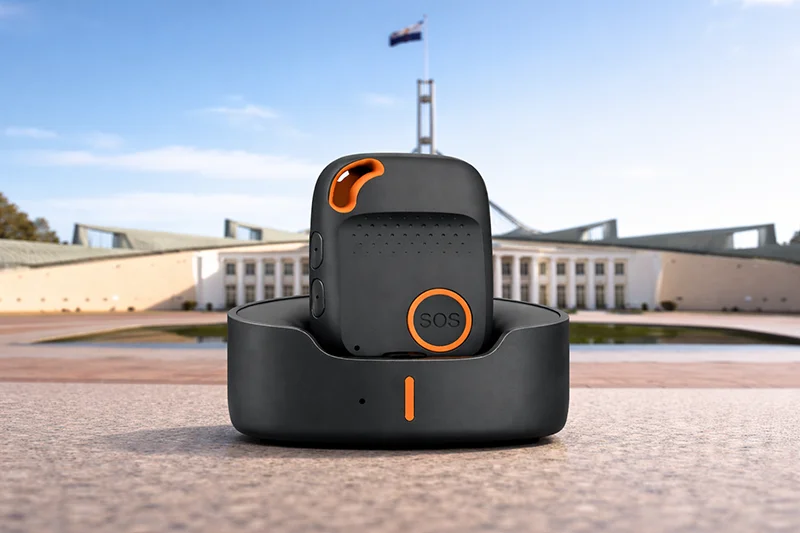
This article explains exactly who can refer to the Australian government’s geat2GO service and who is allowed to use a My Aged Care referral code to order a subsidised personal alarm. It is written for older Australians, carers, allied health professionals and aged care providers involved in My Aged Care…
-

|
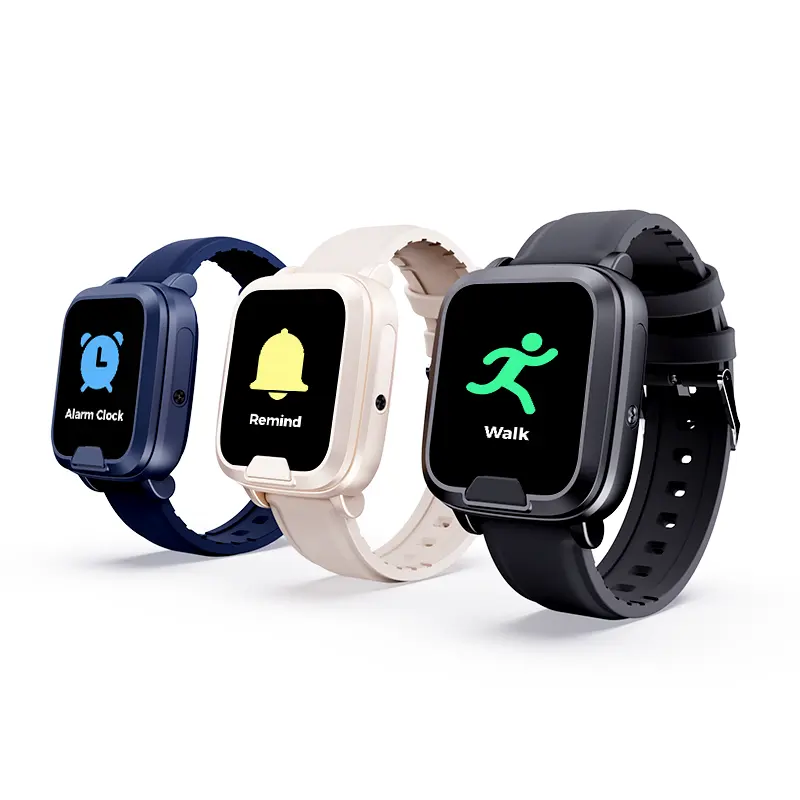
4–5 minutesWearable Tracking Devices for Seniors with Dementia: Safety and Peace of Mind
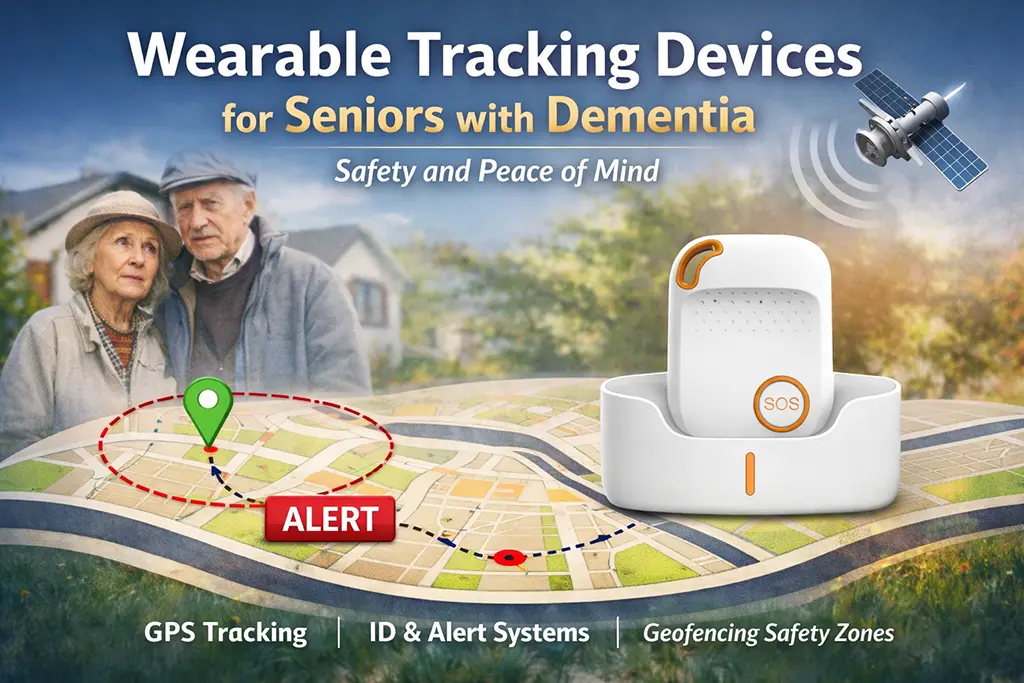
Wearable tracking devices help Australians living with dementia stay safer while reducing stress for families, carers, and aged care providers. These devices support location awareness, alerts, and early intervention when wandering occurs. Safe-Life supplies a range of dementia safety and tracking solutions used across home care, aged care, and supported…
-

|
2–3 minutesStep-by-Step Guide: How to Get a Government Funded Medical Alarm Pendant
1) Register with My Aged Care Call My Aged Care on 1800 200 422 or use their website to register your parent and book an assessment. This starts the process for government support programs that can cover a personal alarm. 2) Attend the Assessment An assessor will check your parent’s…
-

|
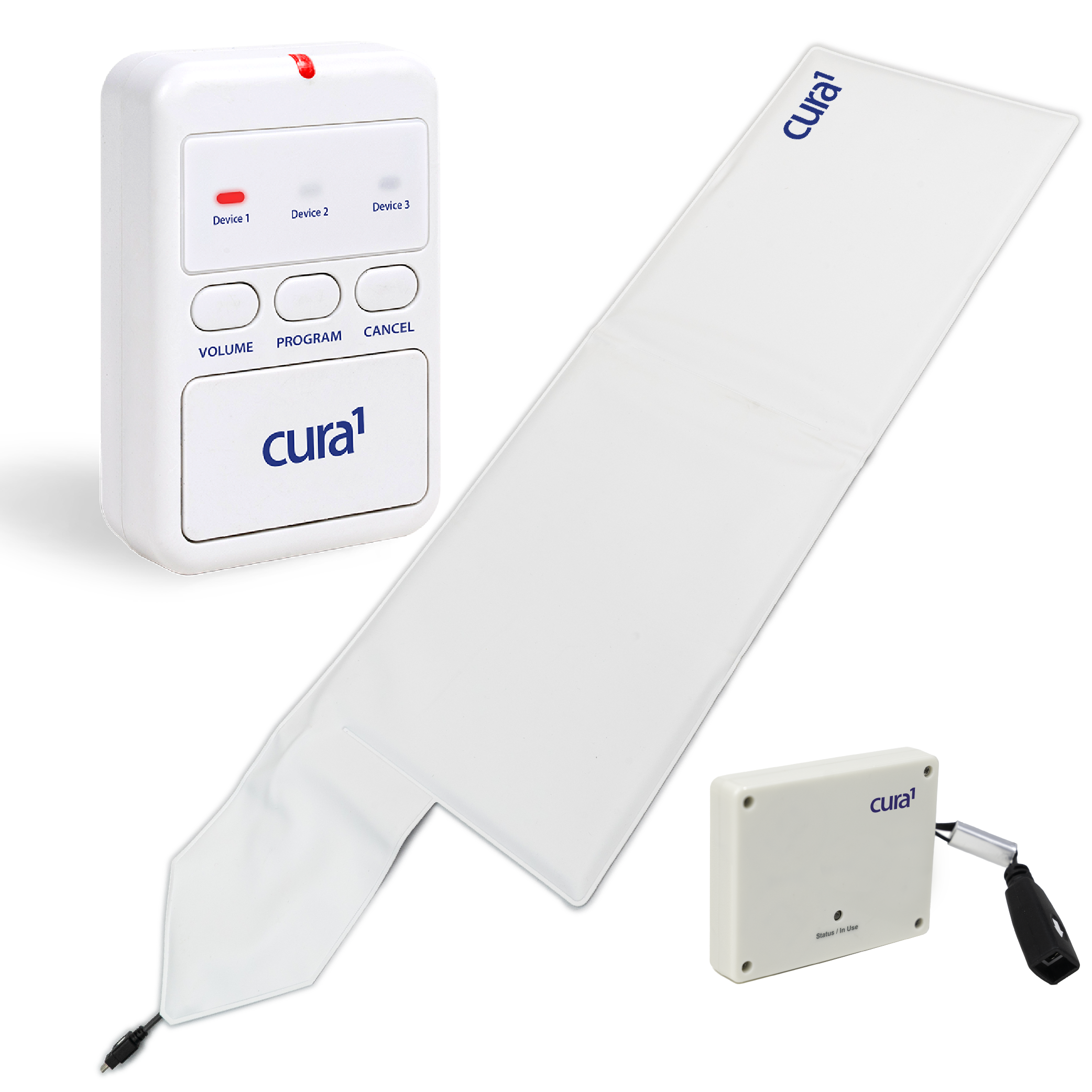
14–21 minutesWireless Bed Alarms for Falls: Fall Prevention Devices & Senior Safety Alarms in Australia
Wireless bed alarms are fall-alert devices that use sensors to detect when a person exits or falls from a bed and instantly notify caregivers. These systems benefit home users, aged care facilities, and participants in NDIS (National Disability Insurance Scheme) support programs by providing timely alerts to prevent unattended falls.…
-

|
16–23 minutes7 Best Home Monitoring Systems for Elderly Australians: Expert Tested for 2025
Quick reality check: Falls account for 43% of all injury hospitalisations among older Australians, with emergency departments seeing over 53,000 presentations annually. Yet most home monitoring systems for elderly Australians fail to address the real risks—medication errors, wandering, and unattended falls that steal independence faster than any chronic condition. Home monitoring has moved beyond basic panic…
-

|
16–24 minutes5 Things to Know Before Buying a Fall Detection System in Melbourne
Quick reality check: One older adult falls every 25 seconds on average in Australia, with one in three people over 65 experiencing a fall annually [20]. Even more concerning—78% of those who fall need help getting back up, often waiting 9-20 minutes or longer for assistance [17]. The real danger…
-

|
10–15 minutesHow to Get a Personal Alarm Under the Support at Home Programme (2025 Guide)
Quick reality check: Australia’s aged care system gets its biggest shake-up since Medicare when the Support at Home Programme launches in November 2025. Eight funding classifications replace the old four-level Home Care Packages, with annual budgets spanning $10,697 to $77,709 [6] [19]. Personal alarm systems get dedicated funding through the…
-
|
15–23 minutesHow to Prevent Post-Discharge Falls in Hospitals
How to Prevent Post-Discharge Falls in Hospitals: A Practical Guide for Healthcare Staff Quick reality check: 40% of older people fall within 6 months of leaving hospital[2]. That’s not just a statistic – it’s a red flag signalling the most dangerous period in their recovery journey. The numbers get worse.…
-
|
7–10 minutesHome Safety Assessment – Your Complete Walkthrough
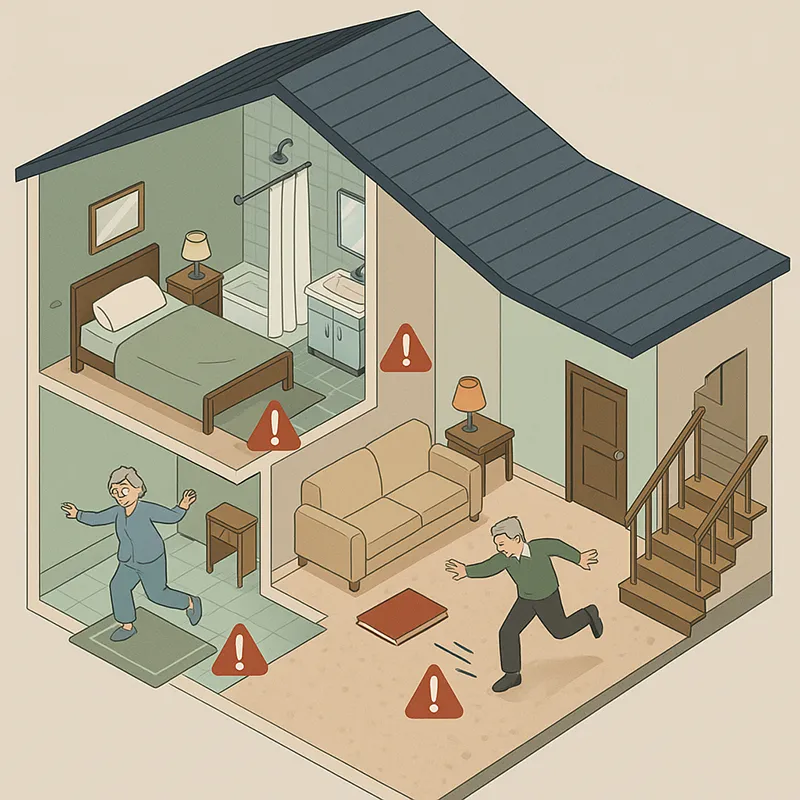
Home Safety Assessment – Sub-article 2 in our Australian Falls Guidelines 2025 series Quick reality check: In Australia, falls account for about 43% of all injury hospitalisations overall, and around 75% among people 65+ [35], with older Australians facing 53,000 emergency presentations and 44,000 hospital admissions annually [1]. More than…
-
|
3–5 minutesCommunity Fitness Programs: Your Path to Wellness at Any Age — 2025 Guide
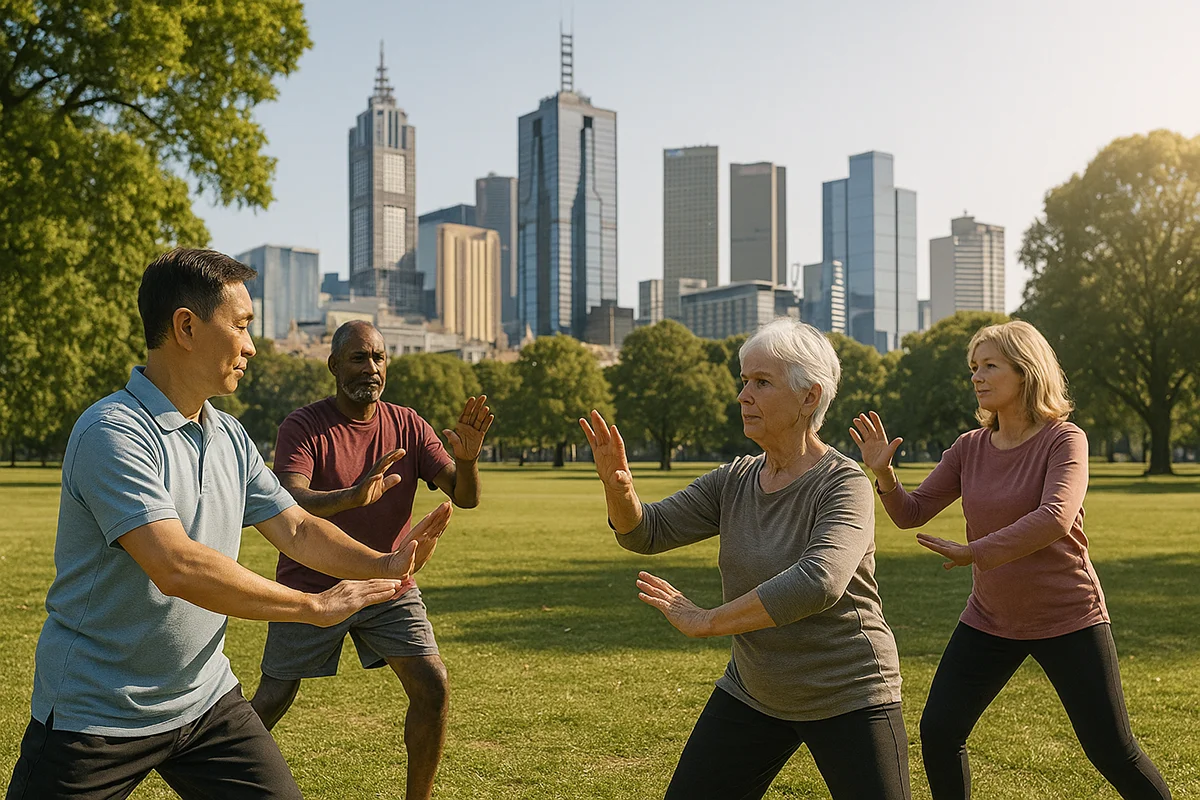
Sub-article 1 in our Australian Falls Guidelines 2025 series 1. Why This Guide Matters Quick reality check: More than 80 % of Australians aged 65+ live with at least one chronic disease¹, yet nearly 60 % fall short of basic activity targets². Community fitness programs (CFPs)—walking clubs, tai chi in…