Government Funded Personal Alarm: Making Safety Affordable
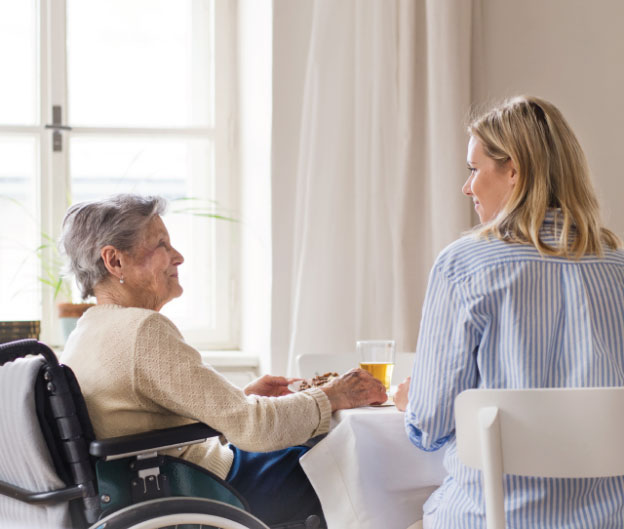
In Australia, seniors and people with disabilities can access a government funded personal alarm to help them live safely at home. These devices—also called medical alert systems—enable users to call for help in emergencies with a single button press. For many, the cost of such technology is subsidised or fully covered by programs like My Aged Care, NDIS, and the new Support at Home Programme.
Safe-Life is an approved supplier of personal alarms, offering a range of devices that meet government safety standards. This guide explains eligibility, funding pathways, key features to look for, and how to get started—whether you’re in Victoria or elsewhere in Australia.
What is a government funded personal alarm?
A government funded personal alarm is a wearable device—usually a pendant or watch—that allows the user to alert carers, family, or emergency services when they need help. These alarms are subsidised through government initiatives such as:
- Support at Home Programme (replacing CHSP and HCP)
- National Disability Insurance Scheme (NDIS)
- Department of Veterans’ Affairs (DVA)
Depending on the program, the device may be covered outright or available at a reduced cost. Most alarms include features like fall detection, GPS tracking, and two-way voice communication.
Why does this matter for Australians?
Australia has an ageing population and a rising demand for in-home care. According to the Australian Institute of Health and Welfare, 1 in 3 people aged 65+ experience falls annually. Personal alarms support safer independent living, reduce hospitalisations, and give peace of mind to families.
In rural areas and large homes, these devices offer critical reach where landlines or mobile phones might not be accessible. My Aged Care, NDIS and state programs aim to address these safety concerns with funding support.
What government programs fund personal alarms?
1. Support at Home Programme & Commonwealth Home Support Programme (via My Aged Care)
From November 2025, the Support at Home Programme is gradually replacing the Commonwealth Home Support Programme (CHSP) and Home Care Packages (HCP) by 2027. It introduces dedicated funding tiers for assistive technology like personal alarms:
| Tier | Funding Level | Typical Use |
|---|---|---|
| Low | Up to $500 | Basic alarms with setup |
| Medium | Up to $2,000 | Devices with monitoring or fall detection |
| High | $2,000–$15,000 | Complex assistive tech (rare for alarms) |
To access this funding, users must register with My Aged Care and complete an in-home assessment.
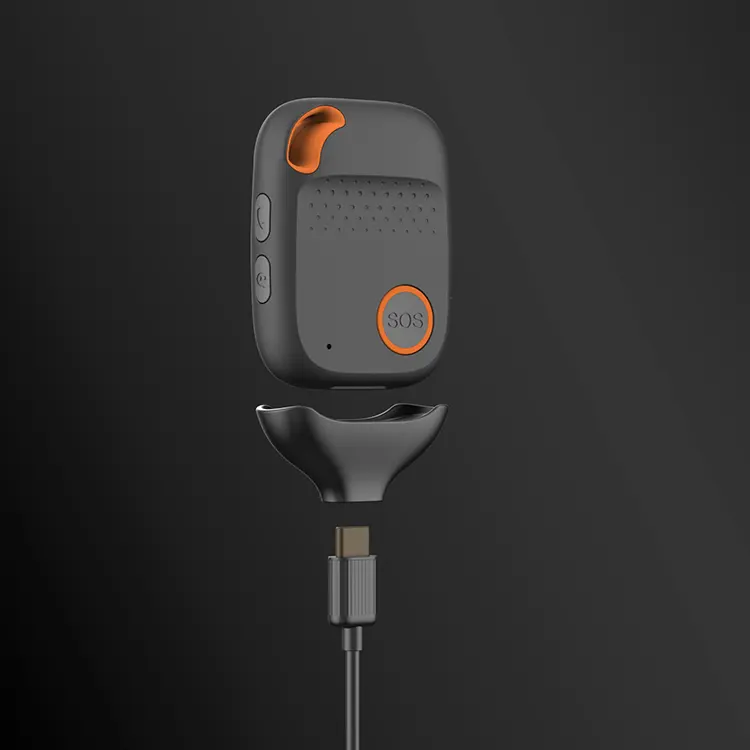
Devices like the Safe-Life Personal medical alarm 4G can be funded via the geat2Go programme.
Source: Department of Health and Aged Care
2. NDIS (for under 65s with disability)
The NDIS funds personal alarms under Assistive Technology (AT) categories:
- Core Supports – Consumables for basic, low-risk devices
- Capital Supports – AT for more advanced alarms
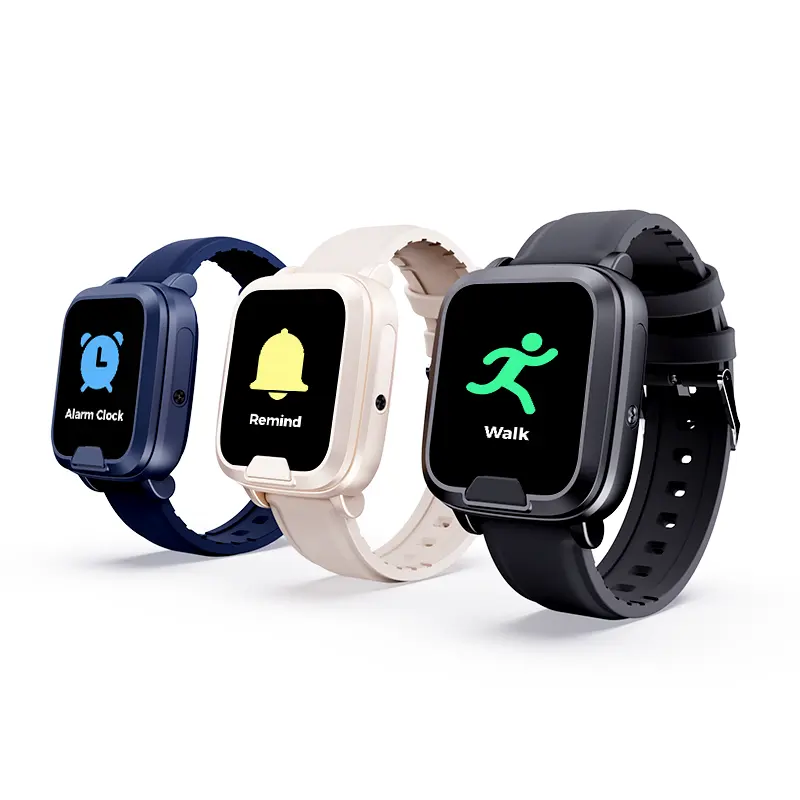
Devices like the Safe-Life Falls Detection Watch can be funded through either route depending on your plan goals.

3. DVA Personal Response Systems
Eligible veterans can apply through DVA’s Rehabilitation Appliances Program for personal alarms. These are offered to those assessed as needing emergency support for medical or mobility reasons.
How do personal alarms work?
- Trigger: The user presses an SOS button or the device detects a fall.
- Mechanism: The alarm sends a signal via mobile network or landline. GPS devices can include location tracking.
- Response: Calls a 24/7 monitoring centre or alerts up to 10 pre-set contacts.
- Outcome: Help is dispatched quickly—family, ambulance, or neighbours.
Limitations: Fall detection accuracy may vary; SIM card devices need mobile coverage; monthly fees apply for some monitoring services.
Who benefits from a personal alarm?
- Older adults living alone
- Aged care clients on CHSP, HCP or Support at Home
- NDIS participants
- People with mobility or cognitive impairment
- Carers wanting peace of mind
- Veterans
Comparison Table: Program vs Device Fit
| Program | Best Use Case | Cost to User | Assessment Required |
|---|---|---|---|
| Support at Home | Seniors 65+ living at home | Often $0–$50 | Yes (My Aged Care) |
| NDIS | Under 65 with disability | Typically $0 | Yes (NDIS planning) |
| DVA | Veterans with medical needs | $0 | DVA medical assessment |
CHSP to Support at Home: What’s Changed?
- Replaces fragmented CHSP/HCP rules with a single system
- Allocates a separate tech funding pool (AT-HM budget)
- Offers three clear tiers of subsidy
This means devices no longer compete with home cleaning or nursing support in your care plan.
More info: Support at Home – Safe-Life Overview
How much do alarms cost if not funded?
Some alarms (like Safe-Life’s GPS pendants) retail around $300–$500, with SIM fees from $66/year. Monitored options can cost $30–$50/month. Funding programs typically cover device cost, setup and (sometimes) the first year of monitoring.
CHOICE has independently reviewed alarm pricing and recommends choosing NDIS- or My Aged Care-compliant options. Source
How to apply for a government-funded alarm
- If 65+: Register with My Aged Care > Request an aged care assessment > Discuss safety needs
- If under 65 with disability: Register for NDIS > Work with planner to add alarm to your AT budget
- Veteran: Contact DVA or speak to your GP about eligibility
- Choose an approved provider like Safe-Life
- Have the device installed and learn how to use it

FAQs
Can I get a personal alarm for free?
Yes, if you are eligible under Support at Home/Commonwealth Home Support Programme, NDIS or DVA, you can receive a personal alarm at no cost.
Are there free personal alarms for the elderly in Australia?
Yes—particularly through the Support at Home Programme. Some co-contributions may apply depending on your means test.
How much does a personal alarm cost without funding?
Up to $500 upfront plus optional $5–$30/month fees for monitoring or SIM cards.
What’s the best personal alarm for older Australians?
Look for fall detection, GPS tracking, 4G coverage, and waterproof design. The Safe-Life Falls Detection Watch is a strong option for active users.
Can I choose my alarm brand under Support at Home or Commonwealth Home Support Programme?
Yes. You can select from approved suppliers. Safe-Life is one such provider.