What is geat2GO and how does it relate to My Aged Care?
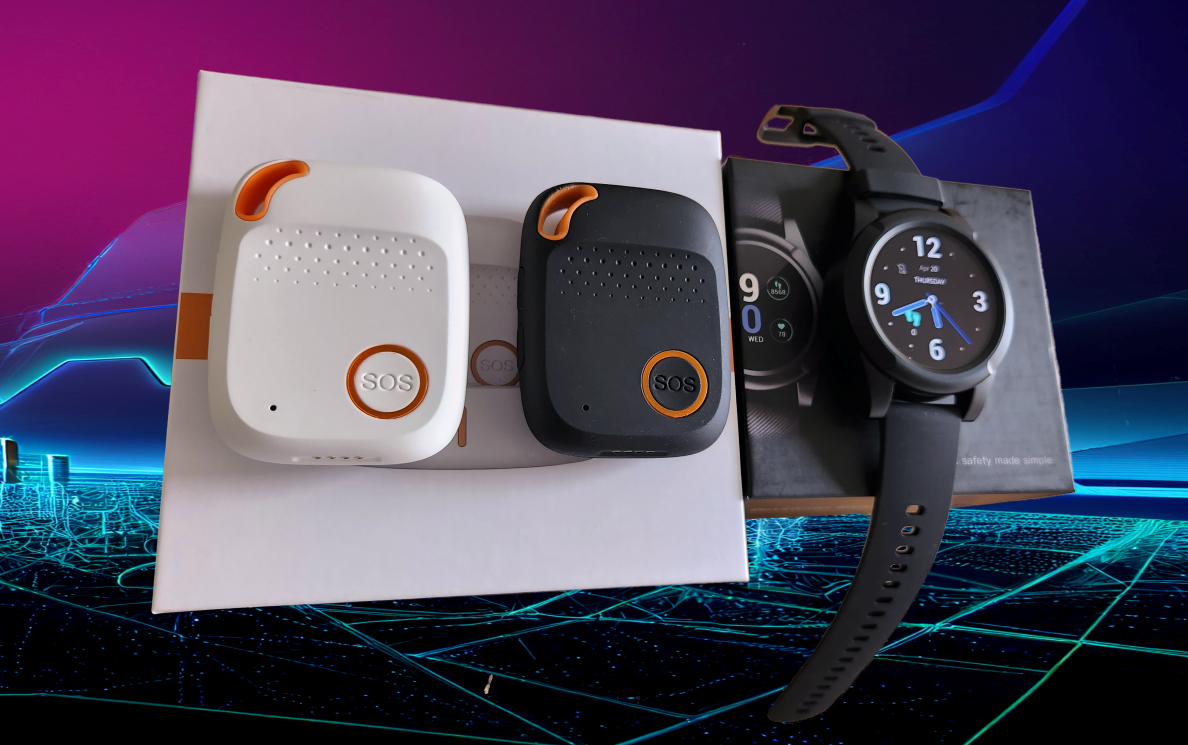
geat2GO is a national delivery partner for the Australian Government’s Goods, Equipment and Assistive Technology (GEAT) service under the Commonwealth Home Support Programme (CHSP). It provides eligible older Australians with access to essential assistive equipment, including personal alarms.
To access geat2GO, a person must first be registered with My Aged Care and referred by an approved health or assessment professional. Equipment is only supplied if the person has received a formal My Aged Care assessment and has a valid referral code linked to the GEAT service.
Why does this process matter?
- Personal alarms must be linked to a verified falls or safety risk
- The referral system ensures government funding is only used where clinically justified
- It prevents misuse or misallocation of equipment
Who can refer someone to geat2GO?
Referrals must be made by registered professionals using the geat2GO portal. These include:
- Occupational Therapists (OTs)
- Regional Assessment Service (RAS) assessors
- Aged Care Assessment Team/Service (ACAT/ACAS) assessors
- Physiotherapists
- Speech Pathologists
- Optometrists and Orthoptists (for vision-related tech)
Family members, carers, or the client themselves cannot initiate geat2GO equipment requests. The system is designed to ensure professional oversight.
Who can use a My Aged Care referral code to order a personal alarm?
Only the following people can use a referral code for ordering a subsidised personal alarm through geat2GO:
- The assessor or clinician who made the referral
- A registered geat2GO prescriber logged into the portal
- An approved aged care provider or service coordinator acting on behalf of the client
The referral code must match the client’s My Aged Care profile and be linked to the GEAT service. Codes are not transferable.
Can consumers use a referral code directly?
No. My Aged Care referral codes are not vouchers or public access codes. They are tied to:
- A specific client ID in the My Aged Care system
- An assessor’s referral decision
- The GEAT service entry and device category
Referral Roles and Responsibilities
| Role | Can Refer to geat2GO? | Can Use Referral Code to Order? |
|---|---|---|
| Occupational Therapist | Yes | Yes (if registered with portal) |
| RAS/ACAT Assessor | Yes | Yes (through assessment system) |
| Physiotherapist | Yes | Sometimes (if registered) |
| Family Member or Carer | No | No |
| Client Themselves | No | No |
| Aged Care Package Provider | No (but can assist) | Yes (if acting on client’s plan) |
| Safe-Life Supplier | No | Only when referral is valid |
Summary
Only registered professionals can refer someone to geat2GO and only assessors, coordinators or authorised providers can use a My Aged Care referral code to place a subsidised personal alarm order. Clients must be assessed and approved through My Aged Care before any equipment request is valid. Safe-Life provides personal alarms with fall detection that align with these strict eligibility pathways.