Summary
Safe-Life supplied an NDIS-compliant emergency call system for a shared SDA home in Victoria. The solution provided a low-cost, flexible, plug-and-play installation that met mandatory industry standards while supporting the diverse needs of a wide variety of NDIS participants.
What challenge was the SDA provider facing?
The NDIS provider needed a compliant emergency call facility for a shared SDA home, but faced four major problems:
- The SDA Mandatory Compliance Specification was brief, open-ended, and difficult to interpret.
- The system needed to support widely varying care needs for both current and future participants.
- The provider wanted a long-term solution with no need for future hardware or software changes.
- The installation had to remain affordable without compromising safety or reliability.
This left builders and providers uncertain about how to meet the Standard while keeping costs under control.
What Safe-Life solution was introduced?
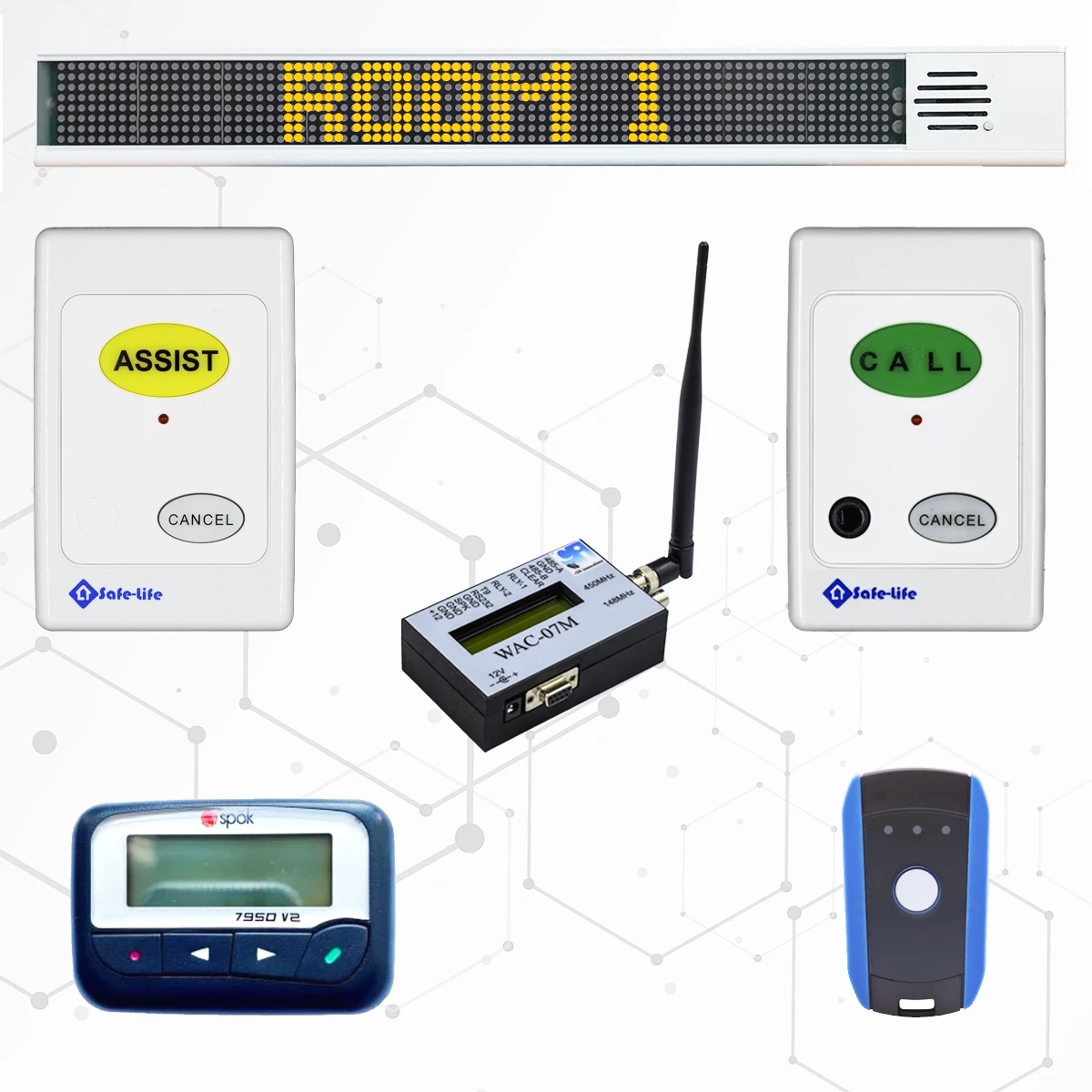
Safe-Life supplied a “Sentinel” preprogrammed, fully tested wireless emergency call system designed for fast, low-cost installation.
Key components included
- Fixed and mobile UHF wireless call-points with Call, Cancel, and Assist functions.
- Waterproof call-points for bathroom, toilet, and outside locations.
- Bedside call-points with pendant sockets for participants with limited mobility.
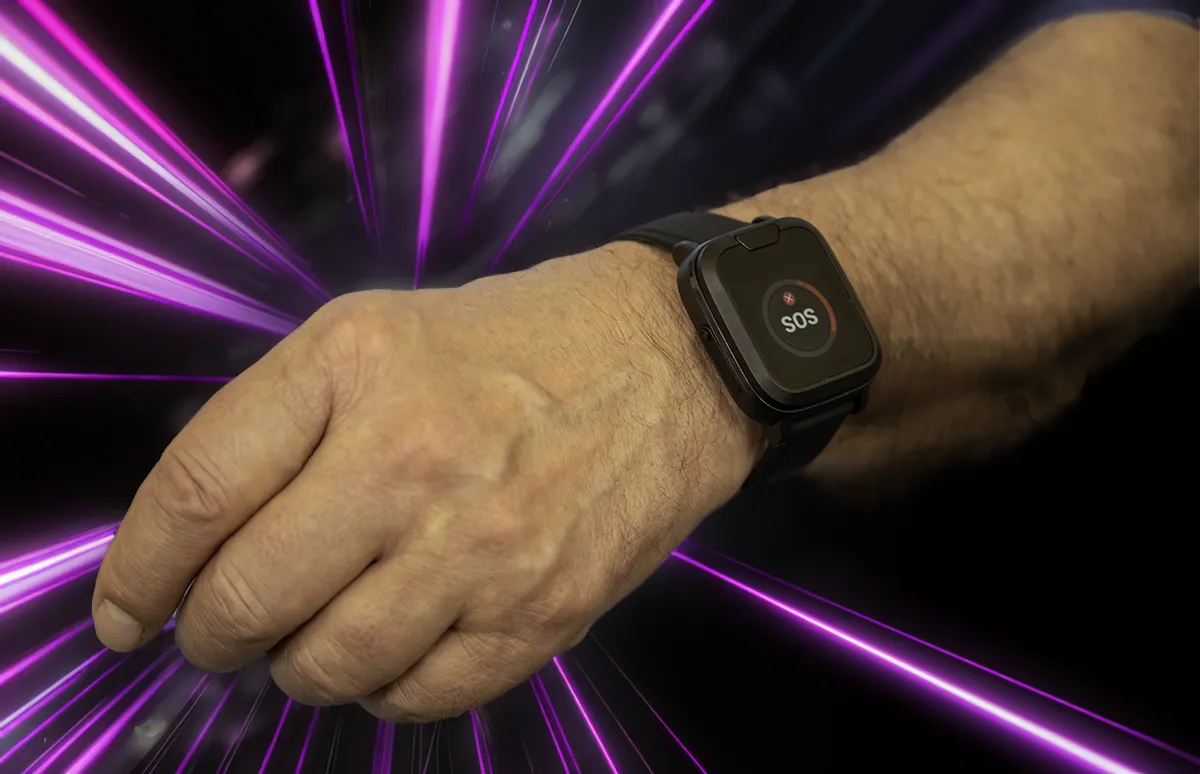
- A wearable waterproof pendant for each participant, suitable for the shower.
- UHF alphanumeric paging to ensure reliable communication across the property.
- Transmitters powered by replaceable CR2032 batteries with long service life.
This approach delivered a flexible system that could be configured for new participants without altering the hardware.
How does the Safe-Life SDA Wireless Emergency Call System work?
The system operates as a simple, robust call-for-assistance network suitable for shared NDIS homes.
Process:
- A participant activates a wireless Call, Assist, or Wearable pendant button.
- The UHF transmitter sends a coded signal across the protected paging frequency.
- Carers receive the alert instantly on personal pagers anywhere on the site.
- Optional LED annunciators can provide on-site visual and audible alerts.
- Staff respond immediately, even if the participant is out of sight or behind closed doors.
No Wi-Fi. No cabling or computer interface requirements. No complex programming.
View Brochure here
What results did the SDA provider achieve?
The system delivered several operational and compliance benefits:
Compliance & Safety
- Met SDA emergency call requirements, including “contacting a carer whilst not in “line of sight”.
- Waterproof devices enabled safe operation in bathrooms, showers and outside.
- Multiple call types (Call, Cancel, Assist) provided flexibility for the varied participant and carer needs.
Installation & Cost Efficiency
- Preprogrammed “plug-and-play” installation required minimal labour.
- No installation materials were necessary.
- No recurring hardware changes as participant needs evolved.
- Long-life batteries reduced ongoing maintenance costs.
Reliability & Flexibility
- Hospital quality carer pagers worked site-wide, ensuring no missed calls.
- System supported current and future participants without modification.
- Builders gained a consistent, repeatable, compliant solution for all SDA categories.
This design has become a practical template for SDA builders seeking a dependable, long-term, NDIS-compliant emergency call system.
Product Summary Table
| Component | Purpose | Notes |
| Wireless UHF Call-Points | Call, Assist, Cancel | Fixed location and mobile versions |
| Waterproof Call-Points | Bathroom/Toilet/Outside | Includes gasket seals |
| Bedside Call-Point | Supports pendant cords | Mobility assistance |
| Wearable Pendant | Shower-safe activation | Meets “not in line of sight” requirement |
| UHF Paging System | Carer alerts | Hospital-grade protocol & frequency |
| CR2032 Power | Long service life | ~5,000 transmissions, 5-year standby, 10-year shelf life |
Why did the provider choose Safe-Life?
- Safe-Life delivers NDIS-compliant wireless call solutions used across Australia.
- Systems remain flexible for participants with diverse support needs.
- Hardware is durable, long-lasting, and easy to maintain.
- Solutions integrate smoothly into SDA builds without modifying electrical layouts.
- Safe-Life provides ongoing support for builders, providers, carers and participants.
FAQ
Is this system compliant with SDA emergency call requirements?
Yes. Safe-Life’s solution meets the requirement for all category participants to be able to contact a carer even when not in line of sight.
Does the system need Wi-Fi or internet?
No. It uses a protected UHF paging frequency suitable for Australian care environments.
Can the system support new participants without changes?
Yes. The design allows for varied and future care needs without altering hardware or software.
Is it suitable for wet areas like showers?
Yes. Waterproof call-points and waterproof pendants enable safe activation in high-risk or outside locations.
Conclusion
This case study shows how Safe-Life delivered a reliable, compliant, low-cost emergency call solution for a shared NDIS SDA home in Australia. By using flexible UHF wireless call-points and hospital-grade paging, the system met strict specification requirements while supporting long-term participant safety.
Safe-Life continues to support SDA builders and NDIS providers nationwide with dependable emergency call systems.

Director of Alerting Devices Australia P/L T/a Safe-Life