Summary
A major South Australian Skin Cancer Clinic required a modern, reliable, and site-wide communication safety system to protect both patients and medical staff. Safe-Life’s Sentinel Wireless Call System was installed to provide immediate, pinpoint-accurate alerts from all critical locations – whether triggered by patients, nurses, or doctors.
Strategically placed LED Annunciators and mobile pagers ensured that all staff received timely emergency notifications accompanied by clear tone alerts, greatly improving emergency response capability and overall duty of care.
The Challenge
The clinic was operating on an outdated wired call system that no longer suited the clinic’s expanded floorplan or current medical procedural requirements.
Significant current limitations included:
- Poorly located call-points due to changes in clinic layout.
- Unreliable system performance, undermining safety.
- Excessive cost to re-wire the building to meet new needs.
- Limited and inadequate display/alert capability for staff.
Collectively, these issues reduced the clinic’s ability to deliver rapid, dependable emergency assistance – an essential component of safe patient management.
The Safe-Life Solution
Safe-Life fully configured then supplied its Sentinel Wireless Call System, a flexible UHF-based solution designed for healthcare environments.
The system incorporated:
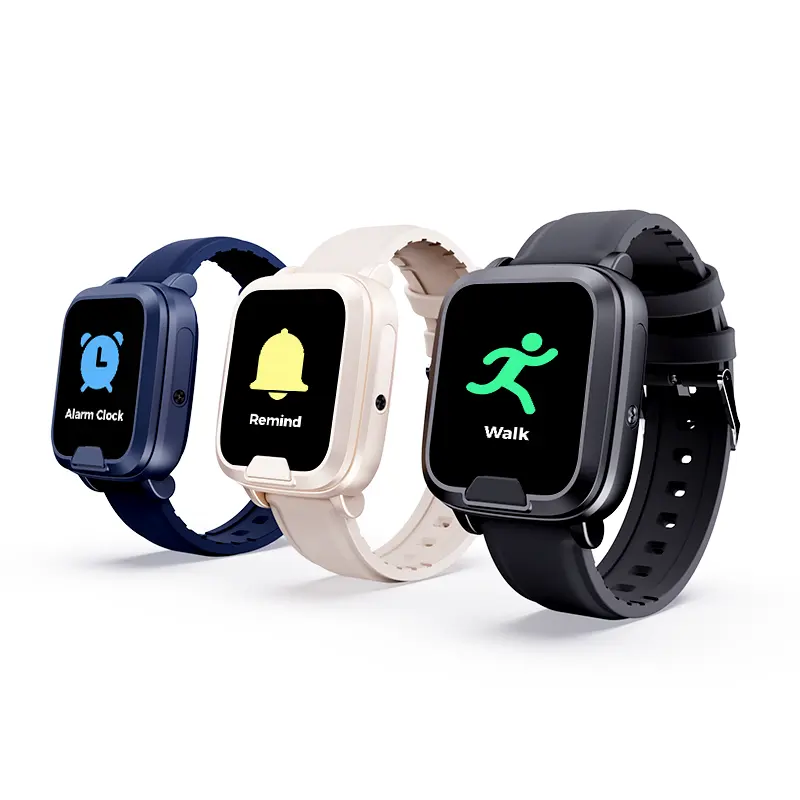
- A combination of fixed wireless call-points and wearable wireless pendants
- Safe-Life’s use of a protected Hospital/Aged Care UHF paging frequency
- Multiple Alphanumeric Pagers
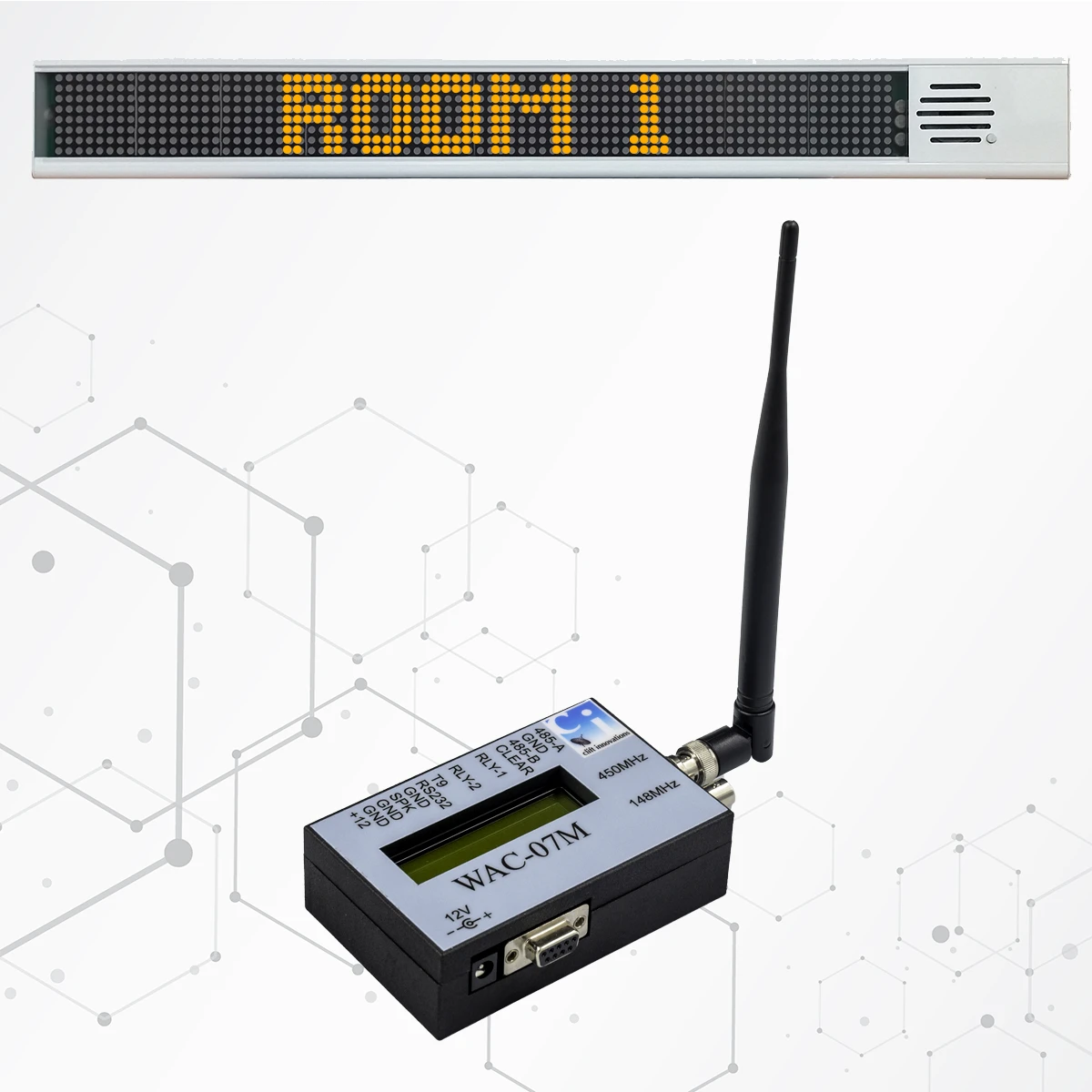
- LED Annunciator Displays for highly visible and audible alerts
This approach delivered a complete, cable-free emergency communication network customised for the clinic’s workflow.
How the Sentinel Wireless System Works
The Sentinel system supports: Unlimited wireless call-points and pendants
- Unlimited portable alphanumeric pagers
- Central receiver that manages Annunciator call traffic
- LED annunciators with integrated tone alerts
Each transmitter communicates directly with pagers and with the site’s central wireless receiver. With a typical range of up to 150 metres, the system covered the entire facility without the need for UHF repeaters.
To eliminate rewiring costs, all transmitters operate via CR2032 button battery cells providing:
- ~5,000 wireless transmissions
- ~5 years standby life
- ~10 years shelf life
- Automatic low-battery reporting
The goal:
A low-cost, low-maintenance, plug-and-play emergency call system that required no specialist installation or programming.
Results
The system was installed quickly and efficiently with negligible disruption to clinic operations. Each call-point was tested before mounting to ensure correct location, call/cancel functionality, and correct pager/annunciator text display.
Key Outcomes
Safety Improvements
- Highly reliable call activation and display
- Optional cord pendants for use near beds or where mobility support was required
- Both fixed and mobile communication capability via wearable pendants and pagers
- Waterproof call-points for wet locations
Cost Efficiency
- Entire system self-installed
- No rewiring or cable installation labour required
- Very low ongoing operating and maintenance costs
Scalability
- Initial deployment of 35 call-points facility-wide
- Follow-up expansion with an additional 20 pre-configured call-points
- Ability to add further devices at any time with minimal setup
Product Benefits and Features
Safe-Life Sentinel Wireless Call System
A standalone, computer-less, Australian-developed wireless call system configured to meet site-specific requirements.
| Feature | Details |
| Communication | UHF Wireless 440–470 MHz |
| Power Supply | 3V CR2032 button cell (or 12V external supply) |
| Paging Format | POCSAG Alphanumeric Paging protocol |
| Annunciators | Operate via WAC-07 Controller |
| Maintenance | Minimal—periodic battery replacement only |
Learn more:
Why the Clinic Chose the Safe-Life Solution
- Trusted supplier of nurse call systems to Australian clinics since 2009
- Wide range of optional add-on devices for future upgrades
- Easily expanded without adjustments to central equipment
- No reliance on Wi-Fi, IP networks, or computers
- Local Australian technical support
- Lowest-cost scalable wireless solution with proven reliability
Safe-Life delivered the safest, most economical, and most flexible communication system without requiring any supporting IT infrastructure or support.
FAQ
Does this system replace a nurse call system?
Yes—provided that complex reporting functions are not required.
Is the system suitable for infection-control environments?
Absolutely. Call-points are built to Hospital and Aged Care standards and include Braille embossed call button plus antibacterial/antifungal treated silicon button materials.
Conclusion
This case study demonstrates how the Safe-Life Sentinel Wireless Call System provided a hygienic, reliable, and long-term emergency communication solution for a major Australian Skin Clinic. By eliminating the need for rewiring, reducing costs, and improving staff responsiveness, Sentinel significantly enhanced the clinic’s patient safety and operational performance.
Safe-Life continues to support healthcare and residential care facilities nationwide with trusted, Australian-developed wireless alerting technologies.

Director, Alerting Devices Australia P/L (T/A SAFE-LIFE)