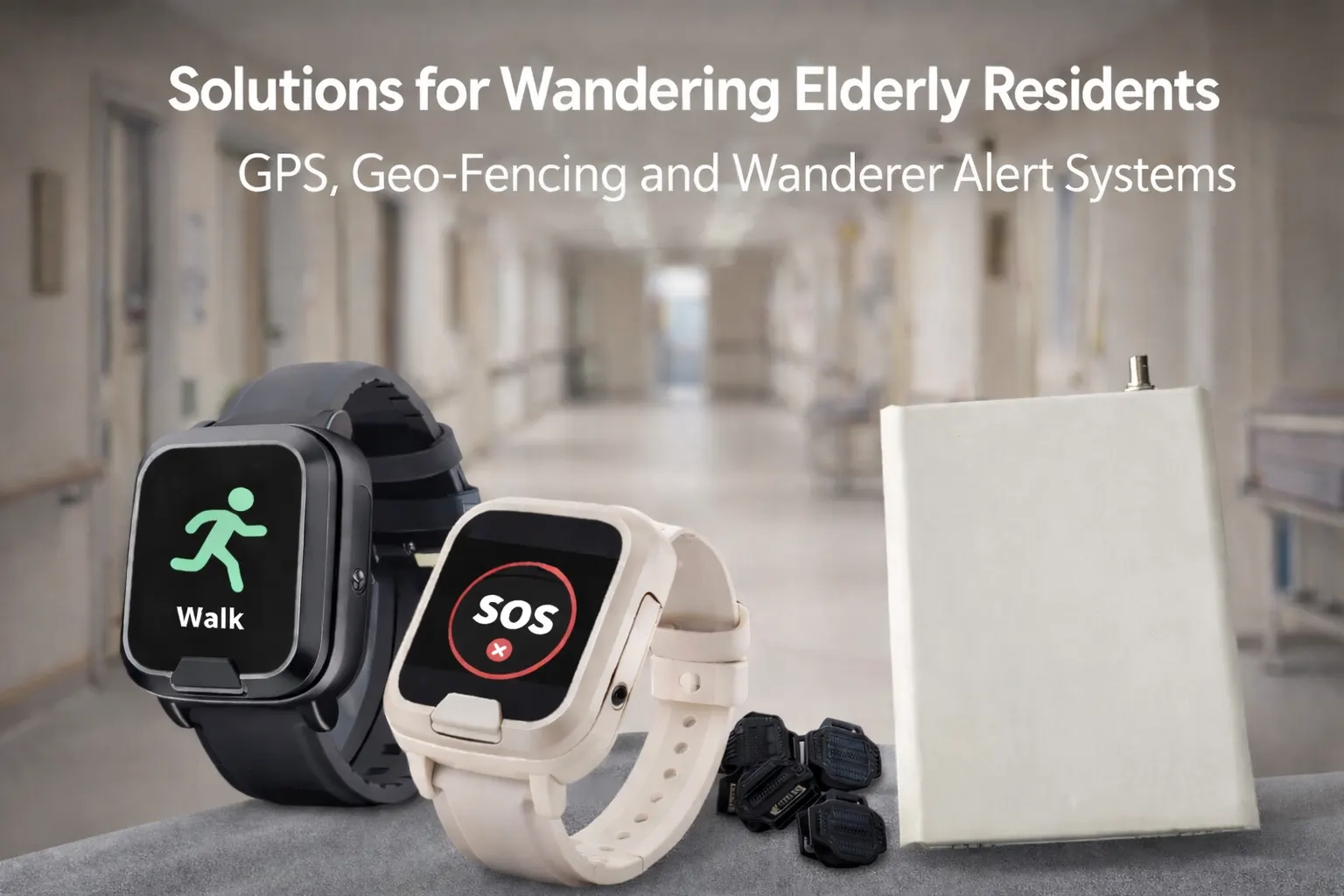
This article explains practical solutions for wandering elderly residents, who benefits from them, and how these systems support safety in Australian aged care and home environments. It covers wearable GPS tracking, geo-fencing safety alarms, door-based wanderer alert systems and implementation strategies to prevent wandering and elopement among older adults.
What Does Wandering and Elopement Mean in Aged Care?
Wandering is when a person moves without clear direction or awareness of their surroundings. Elopement refers to exiting a safe area or facility without supervision. Both behaviours are common among people with dementia and pose safety risks such as falls, traffic accidents and becoming lost.
Authoritative sources explain that wandering behaviour can be common in dementia and should be part of care planning to reduce risk. Dementia Australia: Wandering behaviours.
Why Does This Matter for Australians?
Australia’s ageing population and rising dementia prevalence mean more people are at risk of wandering. Care providers must balance safety with resident independence and rights. Regulatory frameworks like the Aged Care Quality Standards require risk assessment and appropriate care planning for behaviours that increase risk.
Unmonitored exits can lead to serious harm, including heat or cold exposure and delayed response in regional or rural locations. Technologies that support supervision without restrictive practices are increasingly part of modern care strategies (AlertTech wander solutions).
Common Solutions to Prevent Wandering and Elopement
GPS Tracking and Geo-Fencing Safety Alarms (Home & Community Use)
Wearable GPS devices provide real-time location tracking and boundary alerts for residents living at home or independently. These systems help families and carers know where a person is and receive alerts when they leave a predefined “safe zone.”
| Feature | Benefit |
|---|---|
| GPS tracking | Shows real-time location of the wearer |
| Geo-fencing | Triggers alerts when a boundary is crossed |
| Fall detection | Detects potential falls and raises alerts |
| 4G connectivity | Reliable wide-area alerting |
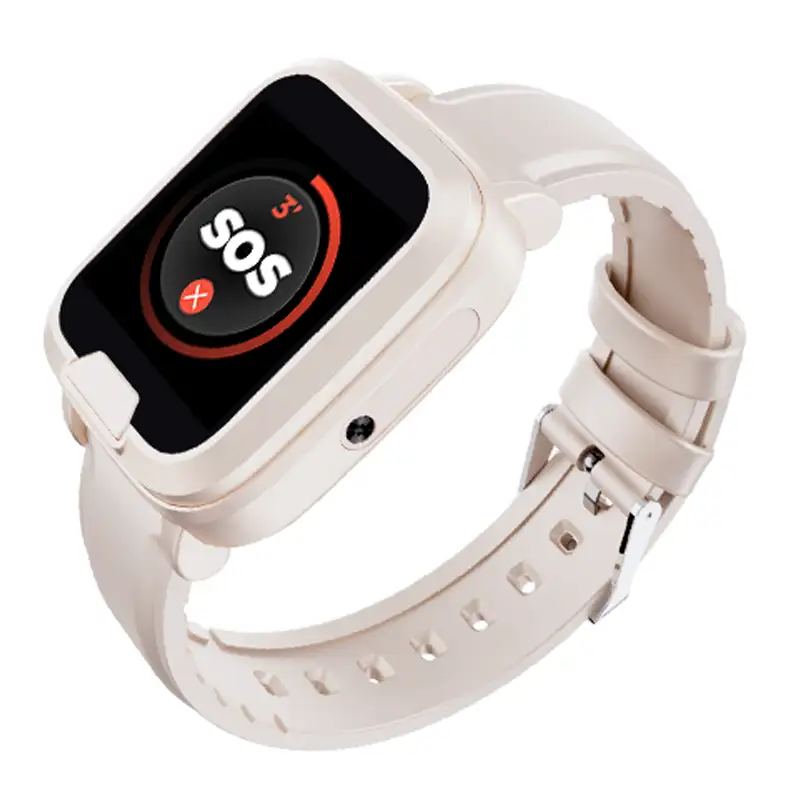
These devices allow carers to set a geo-fence, so if the wearer passes a boundary during an errand or walk, caregivers receive an alert via SMS or app.
Wanderer Alert Systems (Facility Integration)
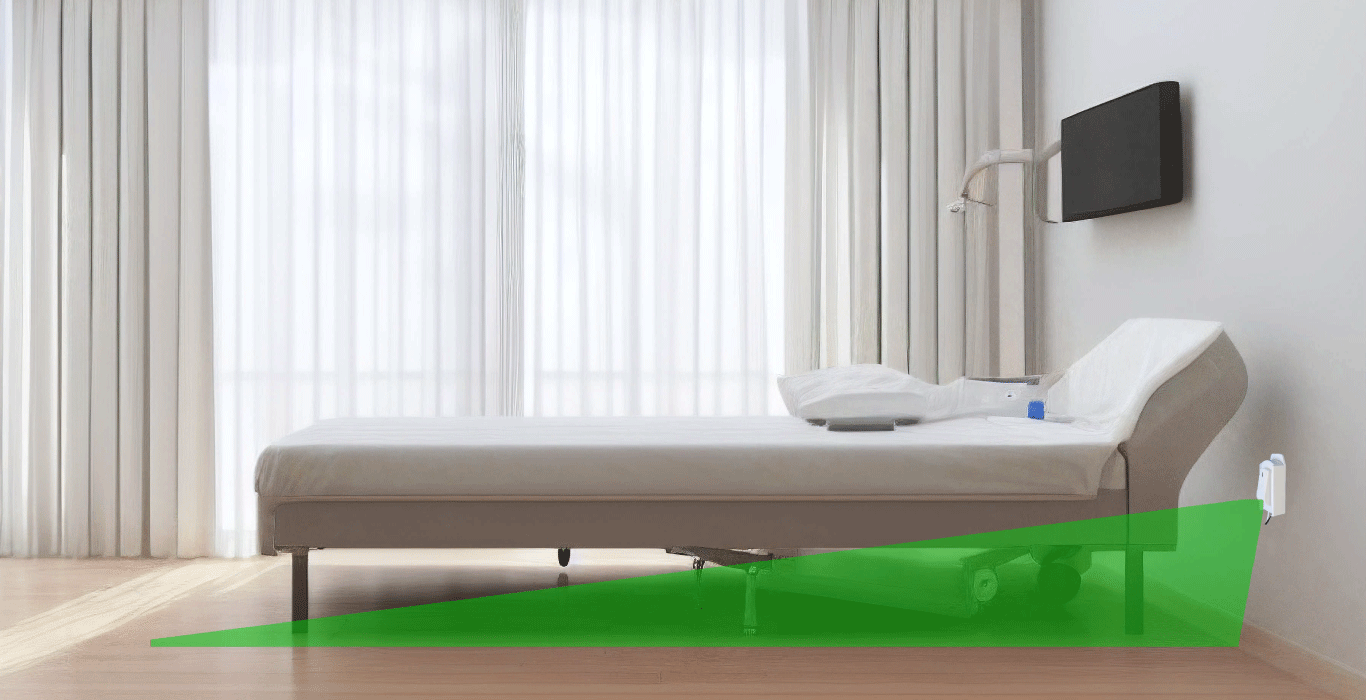
Residential aged care and memory units use door sensors and wanderer tags to monitor internal movement. These systems can integrate with nurse call systems so staff are alerted before a resident leaves a controlled area.
| System | Purpose |
|---|---|
| Protrac ID Wanderer Alert System | Detects monitored residents at exit points |
| Cura1 DoorAlert LT | Alerts staff when a door is approached |
These tags and sensors detect a resident wearing a monitored tag and activate alerts if an exit is approached. This allows timely intervention by care staff.
How These Systems Work
GPS and Geo-Fencing Workflow
- The wearable connects to the mobile network.
- GPS coordinates are transmitted periodically.
- A geo-fence boundary is set by the caregiver.
- When the wearer crosses the boundary, an alert triggers.
- Carers receive alerts via SMS, app or monitoring dashboard.
GPS systems depend on network coverage and may have reduced accuracy indoors.
Wanderer Alert System Workflow
- A resident wears an RFID or similar tag.
- Sensors at designated doors or exits detect the tag when nearby.
- An alert is triggered to the nurse call system.
- Staff respond before the resident leaves unsupervised.
These systems are effective within facility boundaries but do not track location outside.
Case Examples
Home Care Scenario
A senior with early dementia wears a GPS pendant at home. A geo-fence is set around their neighbourhood. During a morning walk the device alerts the family when the safe zone is crossed, allowing them to guide the resident home safely.
Memory Support Unit Example
In a residential care memory unit, residents wear wanderer tags. Door sensors activate if someone moves toward exit doors. Staff receive alerts at the nurse station, check on the resident and redirect them back to supervised spaces.
Implementation Strategies for Care Providers
- Assess each resident’s risk of wandering during care planning.
- Choose wearable or facility-based solutions depending on living context.
- Obtain consent and document monitoring strategies in care plans.
- Train staff and family on responding to alerts.
- Regularly review alert logs and adjust settings as needed.
Australian Compliance and Context
Australian aged care providers must support residents’ rights while managing safety risks. Monitoring solutions should be included in care plans with informed consent and justify intervention without restrictive practices. The Aged Care Quality Standards guide assessment, planning and risk management.
Summary – Solutions for wandering elderly residents
Wandering and elopement risks are managed by combining technology with care planning. GPS tracking, geo-fencing alarms and door-based wanderer alert systems help carers and staff monitor at-risk residents while respecting independence. These solutions support safer environments in both home and residential care settings.
References
- Dementia Australia: Wandering behaviours and strategies — Link
- AlertTech wandering resident solutions — Link