Around 830,000 older Australians currently use Commonwealth Home Support Programme (CHSP) services. The government has just confirmed the program will continue as its own standalone scheme until at least 30 June 2029 [1].
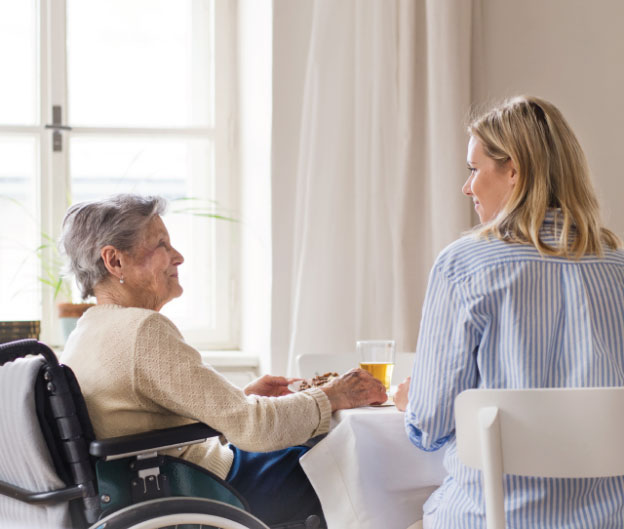
If you or a family member gets a personal alarm, in-home help, or other support through CHSP, this settles a question that’s been hanging over the program for months. CHSP isn’t being wound down, and it isn’t merging into Support at Home.
What actually changed
On 21 August 2026, the Department of Health, Disability and Ageing confirmed CHSP funding is extended for a further two years, to 30 June 2029 [1]. That’s a bigger shift than a simple date change. The government had previously flagged folding CHSP into the newer Support at Home programme from as early as July 2027. That plan has now been dropped. Minister for Aged Care and Seniors Sam Rae said the decision followed direct feedback from the sector, noting that providers told the government they needed certainty [2].
The reversal followed sustained pressure from aged care providers, advocacy groups including the CHSP Alliance, and a Senate committee inquiry that recommended CHSP remain separate from Support at Home [3].
What this means if you already have a CHSP-funded alarm
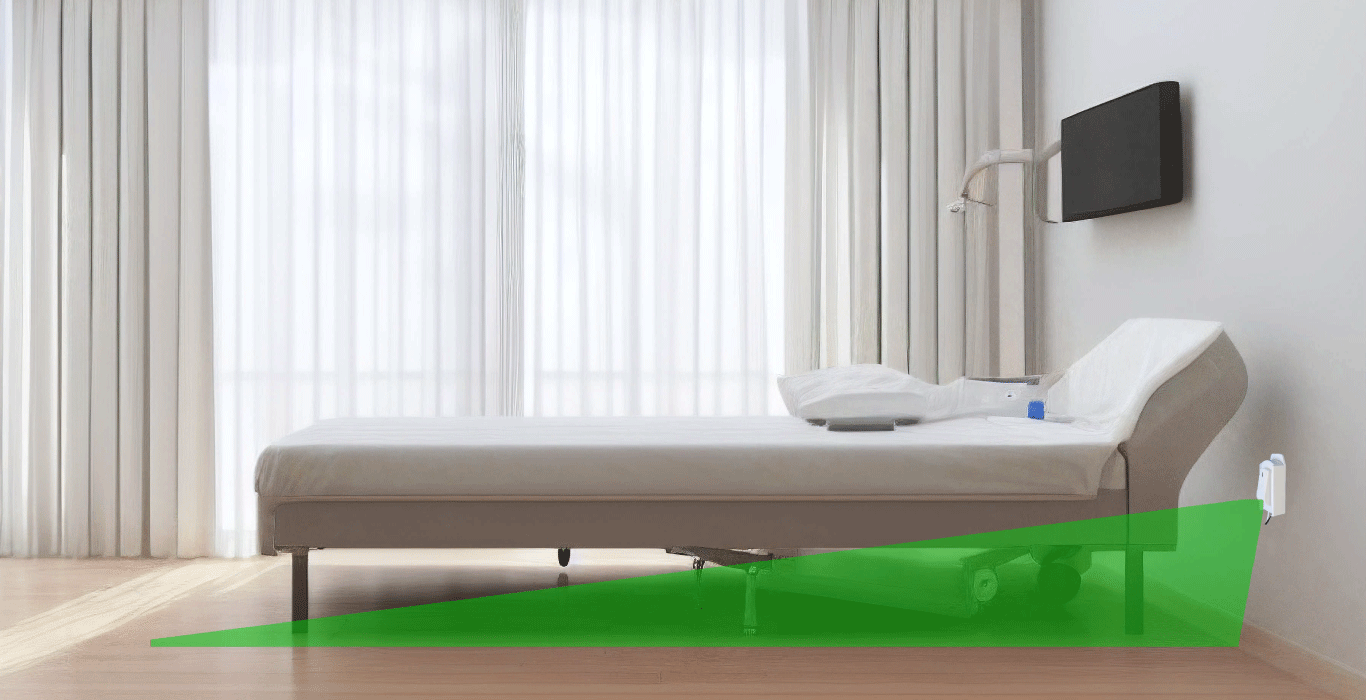
Nothing changes for you right now. Your existing CHSP-funded services, including any personal alarm or monitoring support arranged through geat2GO, continue as they are. You don’t need to reapply, transfer to Support at Home, or contact My Aged Care because of this announcement.
What this means if you’re about to apply
Australia still has two separate government pathways to a funded personal alarm, and that hasn’t changed:
- CHSP, generally accessed via a referral from a health professional through geat2GO, for entry-level equipment and support.
- Support at Home, accessed via a My Aged Care assessment, with its own dedicated Assistive Technology and Home Modifications (AT-HM) funding tiers.
Which one applies to you depends on your existing assessment and care arrangements, not personal preference. We’ve covered each pathway in full detail separately: our guide to government-funded personal alarms and our guide to the Support at Home programme.
Why the change
Around 1,300 organisations deliver CHSP services across Australia, including many local councils, and almost 40% of CHSP clients live outside major cities, where it’s often the only local aged care service available [4]. Providers had cited uncertainty about the planned 2027 transition as a reason for considering withdrawing from the program [1]. Keeping CHSP funded and separate removes that uncertainty, at least for the next two and a half years.
What happens next
The government will begin consulting later in 2026 on a longer-term design for CHSP, including how it works alongside Support at Home and how it’s funded over the long run [1]. That’s a design conversation, not a merger by another name. We’ll update this page if anything changes.
The bottom line
CHSP is staying, as its own program, funded to at least 30 June 2029. If you’re currently supported through it, nothing you need to do changes. If you’re weighing up which funding pathway to pursue for a personal alarm, the choice still comes down to your existing care arrangements and assessment, not a looming CHSP deadline.
FAQs
Is CHSP being replaced by Support at Home?
No. The government confirmed in August 2026 that CHSP will remain a separate, standalone program, with funding extended to 30 June 2029 [1].
Do I need to do anything if I already receive CHSP services?
No. Existing CHSP arrangements, including any CHSP-funded equipment, continue without any action needed on your part.
When was CHSP due to merge with Support at Home, and is that still happening?
The previous plan had CHSP transitioning into Support at Home from as early as July 2027. That plan has been dropped, and CHSP now continues as its own program to 30 June 2029 [3].
References
Department of Health, Disability and Ageing. (2026). Commonwealth Home Support Program (CHSP) extended to 30 June 2029. https://www.health.gov.au/news/commonwealth-home-support-program-chsp-extended-to-30-june-2029
Australian Ageing Agenda. (2026). CHSP funding extended two more years. https://www.australianageingagenda.com.au/executive/chsp-funding-extended-two-more-years/
Health Services Daily. (2026). Government abandons plan to fold CHSP into Support at Home. https://www.healthservicesdaily.com.au/government-abandons-plan-to-fold-chsp-into-support-at-home/51193
The Hon Mark Butler MP, Department of Health, Disability and Ageing. (2026). Certainty for older Australians and aged care providers on CHSP. https://www.health.gov.au/ministers/the-hon-mark-butler-mp/media/certainty-for-older-australians-and-aged-care-providers-on-chsp