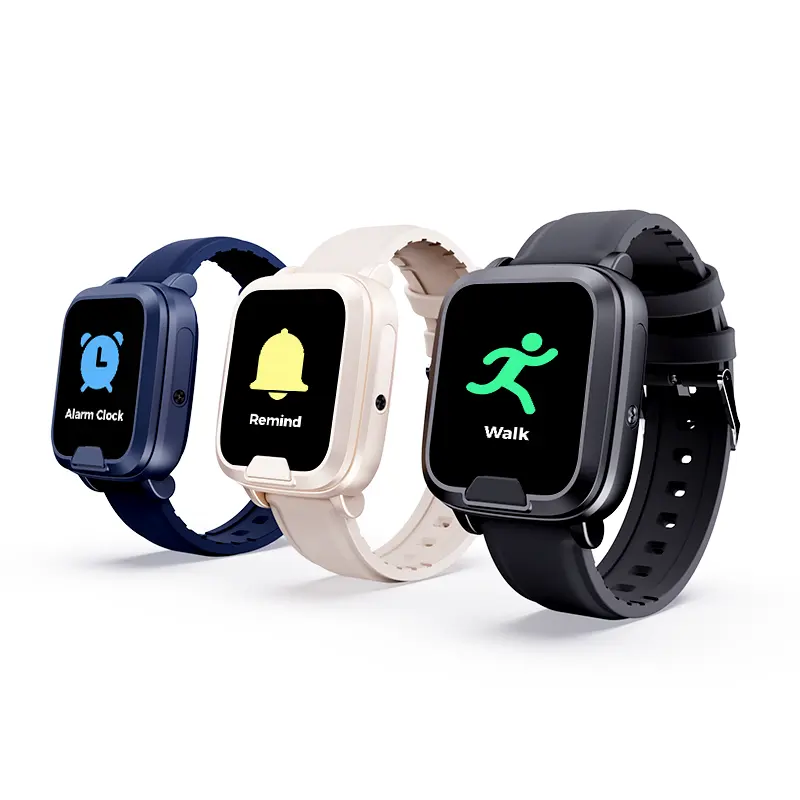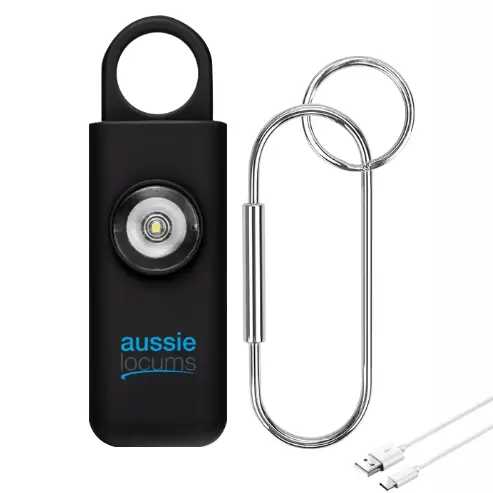
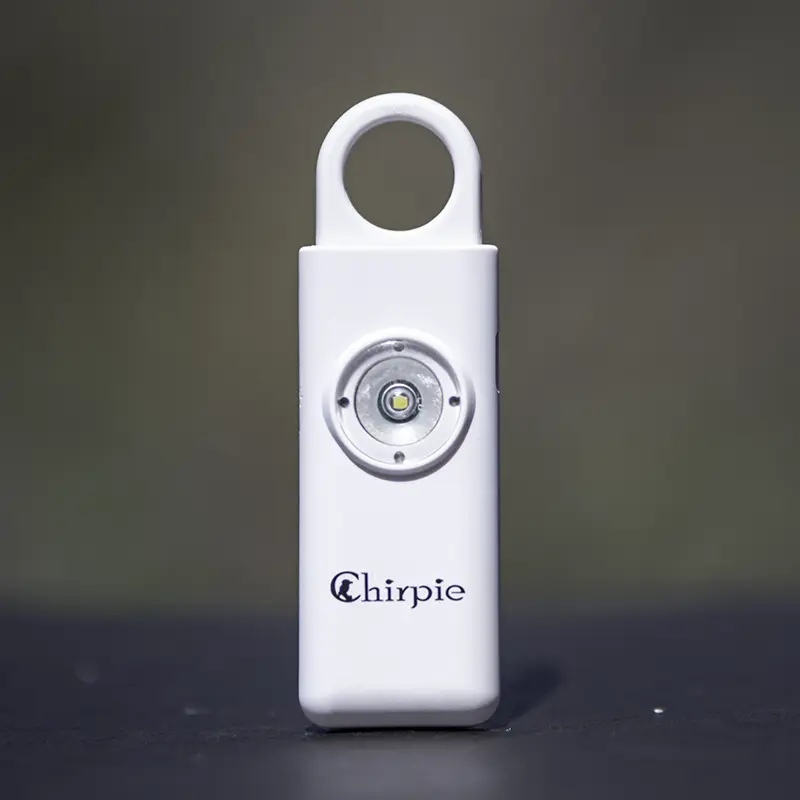
This case study is about Aussie Locums, a healthcare recruitment agency, and how they issue Chirpie personal alarms to clinicians as part of onboarding to support personal safety in unfamiliar and remote placements. The challenge was providing a simple, consistent WHS control for travelling locums. Safe-Life Australia supplied a Chirpie solution pathway, progressing from Chirpie to Chirpie Infinity personal alarm and later Chirpie Link safety alarm.
What challenge needed solving?
Aussie Locums places clinicians into a wide range of Australian medical settings, including regional and remote locations. Their operating reality is that many locums travel to towns they do not know and work in unfamiliar environments where help may not be immediately accessible.
This “distance from help” factor is recognised as a WHS risk in remote or isolated work, where limited access to emergency assistance can increase physical and psychosocial hazards. For additional context, Safe Work Australia notes remote or isolated work can be exacerbated by poor access to emergency assistance, and can increase exposure to risks such as violence and aggression.
Safe Work Australia: Remote and isolated work overview
Safe Work Australia: Workplace violence and aggression report summary
Why was Safe-Life selected?
- Aussie Locums preferred an Australian supplier (“We liked that Safe-Life is an Aussie company.”)
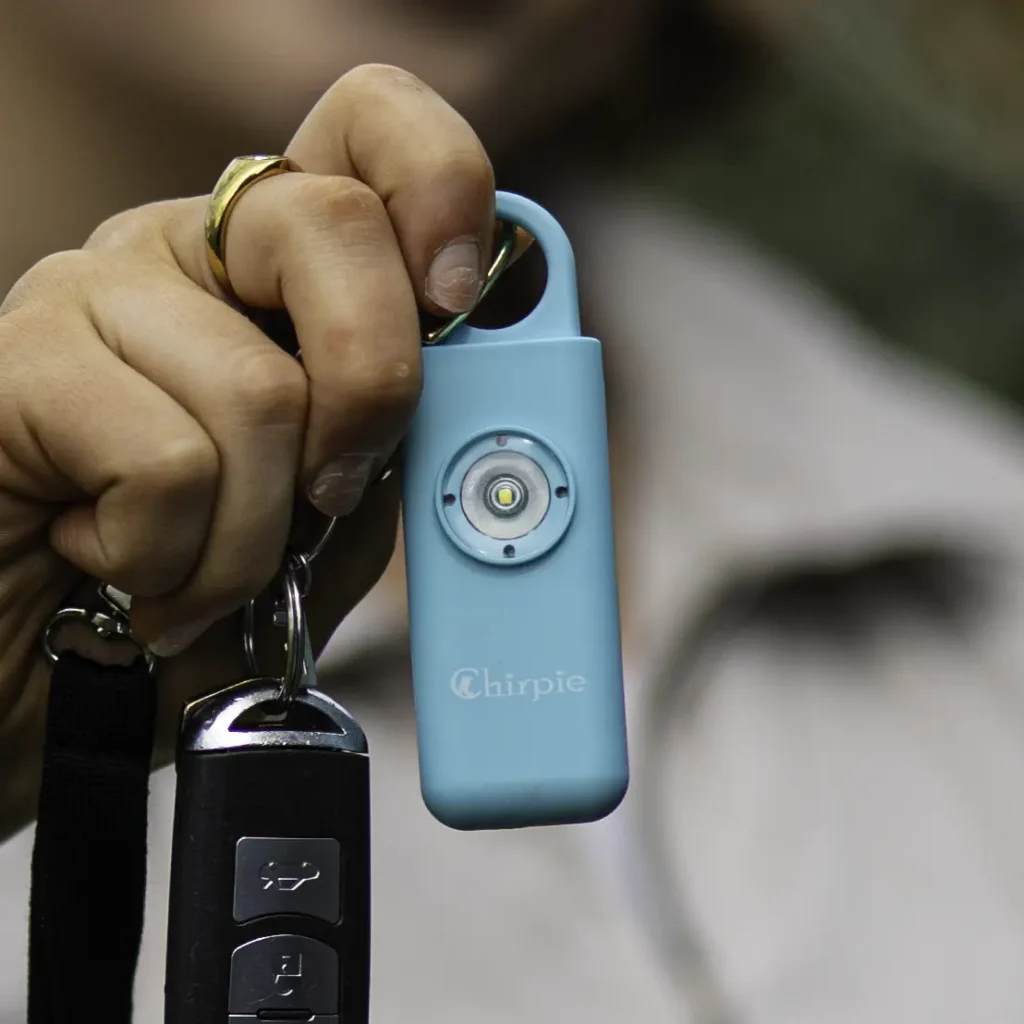
- Compact device format suited for everyday carry while travelling.
- Keyring form factor and colour options improved the likelihood of consistent carry/use.
- A straightforward issue-and-use model that could be applied consistently during onboarding.
What solution was implemented?
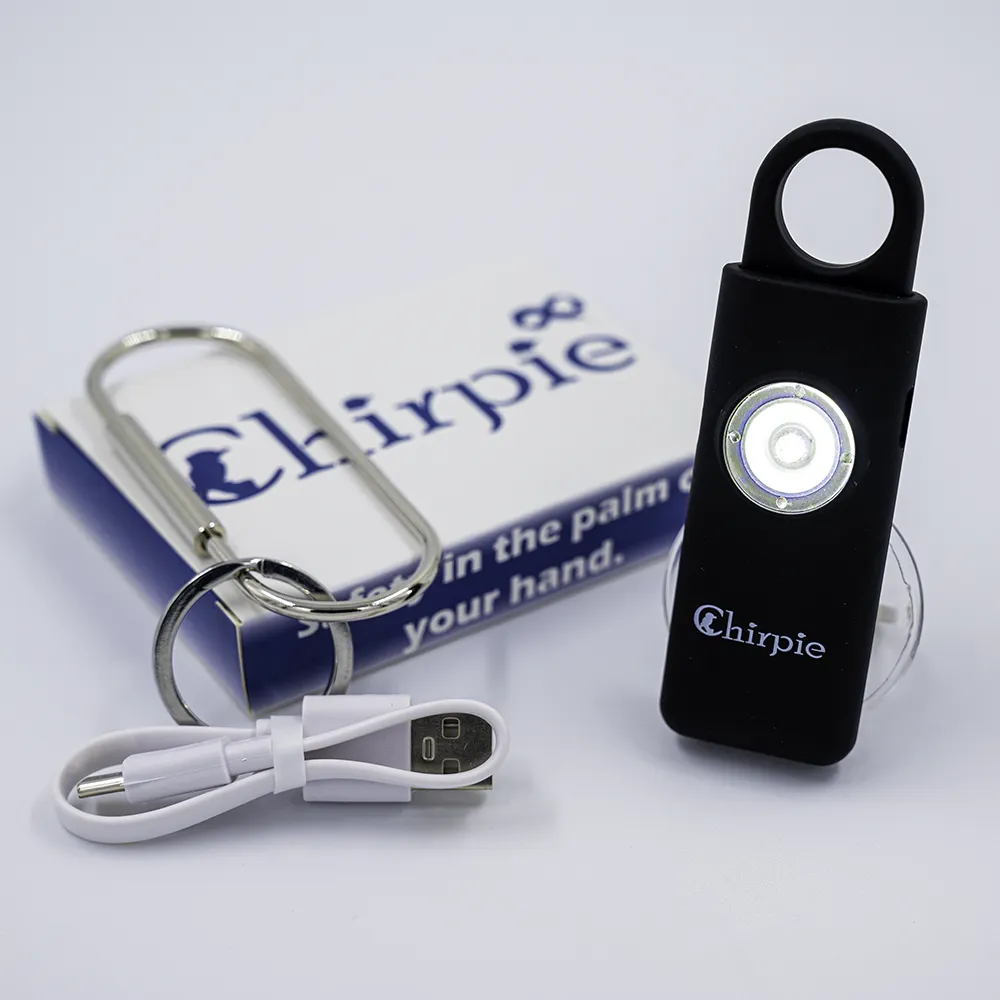
- Trial and early adoption: Aussie Locums began with an initial trial order of Chirpie, then progressed to repeat bulk ordering as the device became part of their onboarding workflow.
- Operational onboarding process: Each clinician receives a device when they commence an assignment, with onboarding guidance on how the alarm operates as an additional personal safety measure.
- Standardisation: The device became a default inclusion in onboarding and “merch bags”, with locums encouraged to take it to every placement.
- Co-branding: Aussie Locums moved to co-branded units (logo printed on-device) to personalise their onboarding packs.
- Product evolution: As the range evolved, Aussie Locums transitioned from Chirpie to the rechargeable Chirpie Infinity personal alarm, and later to Chirpie Link safety alarm for a connected option.
What improvements were observed?
Aussie Locums described Chirpie as a practical and proactive control measure within their WHS framework, especially for clinicians travelling to rural and remote locations.
They reported consistently positive feedback from locums, with clinicians noting they feel more supported and safer when travelling to new or unfamiliar environments.
They also observed a behavioural indicator of value: if a battery went flat (earlier in the program), locums contacted Aussie Locums promptly to organise a replacement, suggesting the device had become part of normal personal risk management while on assignment.
Client statement:
“Chirpie provides Aussie Locums with a simple, proactive way to enhance the safety, confidence, and wellbeing of our clinicians while they work in new and remote environments.”
Sarah, Aussie Locums
Key data table
| Feature | Detail |
|---|---|
| Problem Type | Remote or unfamiliar placement safety risk (WHS) |
| Solution Type | Personal safety alarm issued at onboarding |
| Environment | Clinicians travelling to regional, rural, and remote locations across Australia |
| Solution Implemented | Chirpie → Chirpie Infinity personal alarm → Chirpie Link safety alarm |
| Outcome | Standardised onboarding control; positive clinician feedback; more proactive safety culture |
Summary
Aussie Locums needed a consistent, practical way to support clinician safety during travel and unfamiliar placements. Safe-Life Australia supplied a scalable personal alarm approach that could be issued at onboarding and carried day to day, evolving from Chirpie to the rechargeable Chirpie Infinity personal alarm and later the connected Chirpie Link safety alarm. Aussie Locums reported positive feedback from locums and described the initiative as supporting a shift toward a more proactive and supportive WHS culture.